TMS for Alzheimer's & Dementia | Dr. Ritesh Amin – Edison, NJ
Neurology & Brain Stimulation

TMS for Alzheimer's & Memory Loss in Edison, NJ

A proactive, non-invasive approach to support cognitive function, delay memory decline, and manage the behavioral symptoms associated with early-stage dementia.

Non-OP
Non-Invasive Protocol
MCI
Targets Early Stages
DMN
Network Modulation
Systemic Side Effects

TMS for Mild Cognitive Impairment (MCI)

A critical window for intervention: stimulating the brain to reinforce fading memory pathways.

Mild Cognitive Impairment (MCI) is often the transitional stage between the expected cognitive decline of normal aging and the more serious decline of dementia. During this phase, intervention is crucial. Functional imaging shows that network connectivity in the brain begins to falter before significant physical shrinkage (atrophy) occurs.

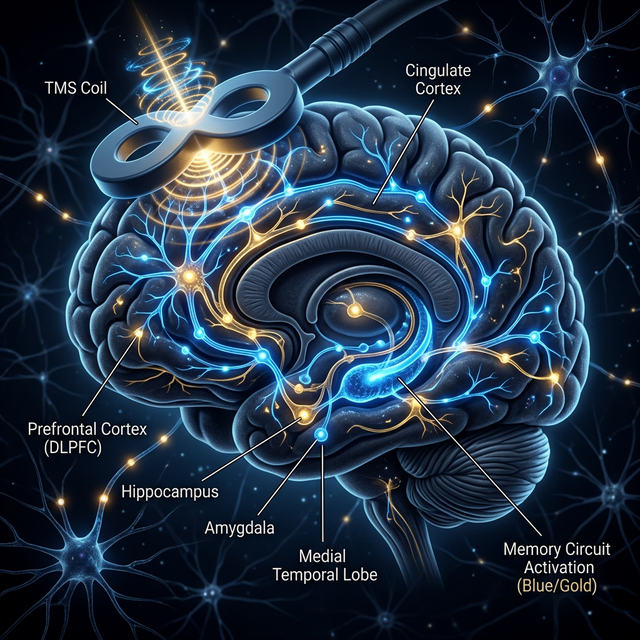
TMS applies focused magnetic pulses to the **Dorsolateral Prefrontal Cortex (DLPFC)** and temporal regions, which are closely linked to the brain's memory centers, including the hippocampus. This stimulation promotes neuroplasticity—the brain's ability to form and reorganize synaptic connections, helping to compensate for early amyloid or tau pathology.

Research indicates that high-frequency TMS may enhance memory retrieval and executive function in MCI patients by temporarily boosting cortical excitability and increasing cerebral blood flow.

Brain mapping of memory networks targeted by TMS

Cognitive Domains Targeted:

Working Memory

Improving the ability to hold and process information in the short term, such as recalling a phone number or following a conversation.

Executive Function

Enhancing planning, reasoning, and problem-solving skills by strengthening the prefrontal network.

Verbal Fluency

Aiding language processing to reduce instances of "word-finding" difficulty, a common early sign of MCI.

TMS for Early-Stage Alzheimer's

Modulating the Default Mode Network (DMN) to preserve independence and cognitive reserve.

Doctor reviewing cognitive assessment with a patient

In early-stage Alzheimer's Disease (AD), pathological proteins disrupt communication between different brain regions, specifically impacting the Default Mode Network (DMN), which is crucial for memory consolidation and self-referential thought.

While TMS cannot cure AD or clear pathological plaques, it can act as "physical therapy for the brain." By delivering targeted electromagnetic pulses, TMS aims to maximize the efficiency of surviving neurons and stimulate collateral pathways. This cognitive neuromodulation may help to slow the rate of clinical decline and slightly prolong the period of independent living.

01

Network Stimulation

Multi-site stimulation protocols are often used to target both language (Broca's area) and executive (DLPFC) hubs.

02

Cognitive Training Synergy

TMS is often most effective when combined with active cognitive exercises, reinforcing the connections being stimulated.

03

Ongoing Maintenance

Unlike treating depression, utilizing TMS for neurodegenerative conditions may require periodic "maintenance" sessions.

TMS for Behavioral & Psychological Symptoms of Dementia (BPSD)

Providing relief for the emotional toll of cognitive decline without heavy sedation.

Cognitive decline is only one aspect of dementia. Up to 90% of patients will experience Behavioral and Psychological Symptoms of Dementia (BPSD), which include severe depression, agitation, anxiety, and apathy. These symptoms are often the primary cause of caregiver burnout and nursing home placement.

Traditional psychiatric medications (like antipsychotics) often carry significant risks for elderly dementia patients, including increased confusion and fall risk. TMS offers a powerful, localized alternative. Because TMS is FDA-cleared for Depression and Anxiety, we can adapt these protocols to target the mood-regulating circuits in dementia patients, calming agitation and lifting mood without systemic side effects.

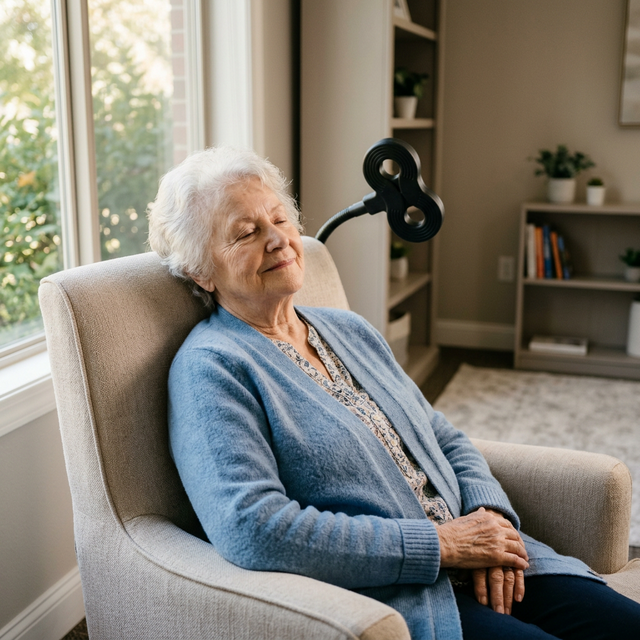
Elderly patient looking peaceful after TMS therapy
SymptomTMS Impact
Dementia-Related DepressionStimulates underactive prefrontal circuitry to restore mood balance, improving overall engagement.
Agitation & AnxietyCan utilize inhibitory (low-frequency) TMS protocols over hyperactive regions to calm severe agitation.
ApathyBoosts drive and motivation by activating reward pathways, helping patients participate more in daily life.
Your Comfort Matters

Experience Our Healing Environment

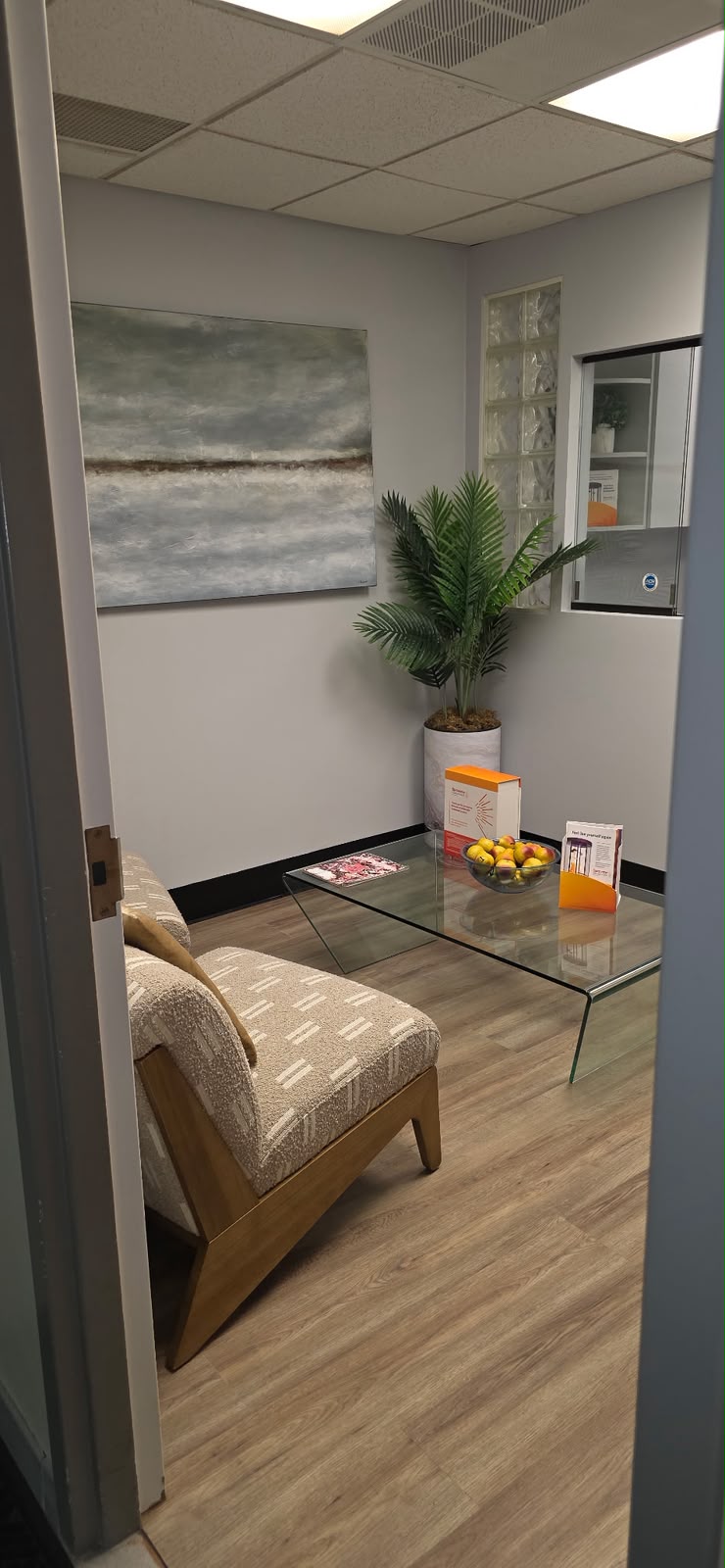
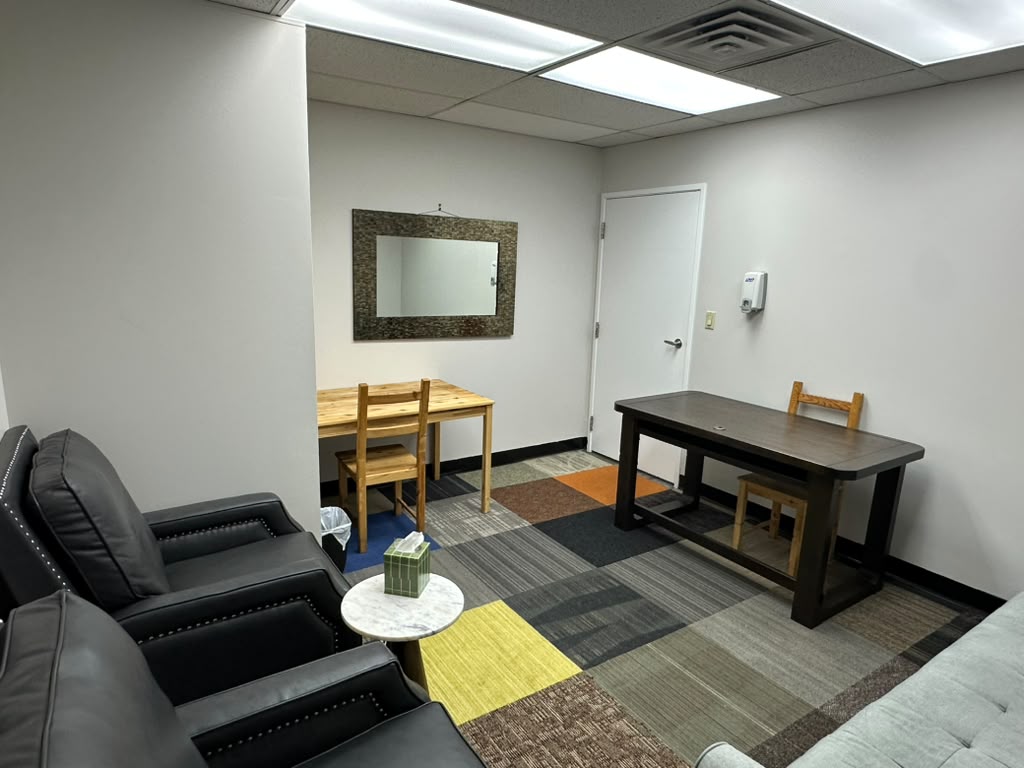
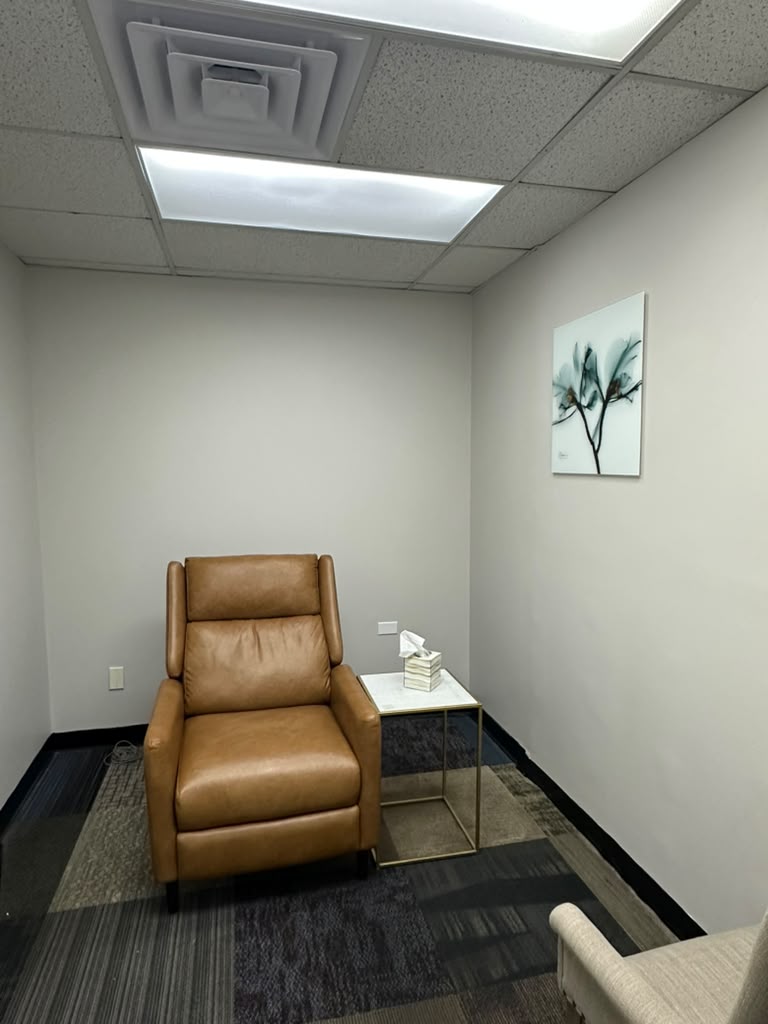
Take a look at our state-of-the-art TMS treatment rooms designed for your relaxation.

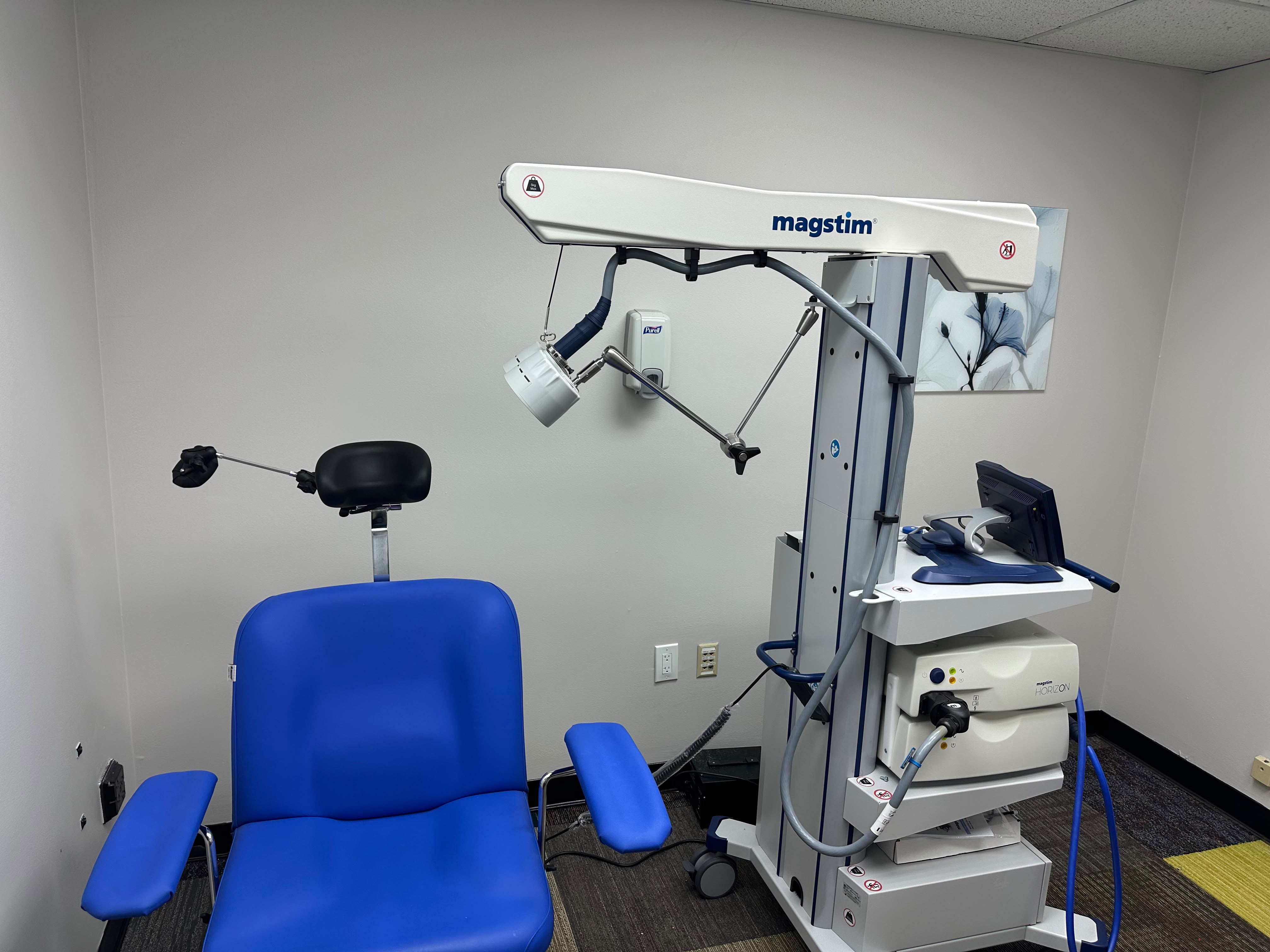
TMS Treatment Room at Dr. Ritesh Amin's Clinic
TMS Therapy Room
TMS Equipment
Relaxing Patient Experience

During your daily sessions, you will relax in our comfortable treatment chair. You can watch TV, listen to music, read a book, or simply close your eyes. The treatment is completely non-invasive, and our dedicated team is always present to ensure your utmost comfort.

A Careful, Measured Process

Integrating TMS into Cognitive Care

We prioritize realistic goals, safety, and improving quality of life for the patient and their family.

Comprehensive Evaluation

Reviewing neuro-psych testing, MRIs, and medical history to ensure TMS is an appropriate and safe option for your specific stage.

Caregiver Integration

We work closely with family members and caregivers to monitor progress, changes in behavior, and adjust protocols as needed.

Multi-Target Protocols

Employing advanced TMS protocols to target different cortical hubs to address memory, executive function, and mood simultaneously.

Dr. Ritesh Amin
Expertise in Neuropsychiatry

Meet Dr. Ritesh Amin, MD

Board Certified Psychiatrist & TMS Specialist

Navigating cognitive decline is vastly challenging for both the patient and their family. Dr. Amin approaches Alzheimer's and MCI with a compassionate, realistic, and science-driven mindset. He utilizes TMS not as a cure, but as a stabilizing tool to enhance the brain's remaining reserves and improve daily mood and function.

Read Full Biography
Patient Stories

Real People, Real Results

Hear from patients whose lives were transformed through Dr. Amin's care.

Marietta Baranca

★★★★★
I've been dealing with depression and PTSD for years and Dr. Amin's TMS Therapy has honestly saved my life. I'm someone who does not respond well to depression medication, so TMS was a godsend for me. I went from crying for no reason almost every day to feeling more stable and even optimistic. Dr. Amin is really invested in my mental health and Charlie, the TMS technician, is very helpful in making the treatments go by quickly and swiftly. I don't even want to imagine what my life would have been like without these treatments these past few years.
Google Review

Ganesh

★★★★★
Dr Amin helped me a lot with my persistent depression, anxiety and attention deficit issues. He is excellent at establishing a good relationship with the patient and helped understand more about these conditions and what he was looking to achieve through the treatment. Would highly recommend him.
Google Review

Kavita Ingle

★★★★★
Amazing experience with Dr. Amin. He helped me get out of my anxiety in just 2 months. He is very responsive, follows up personally, and is always available when you need to talk. Highly recommended! I had a wonderful experience with Nurse Melissa. She genuinely cares about her patients, and it shows in how she handles them. Thank You Dr Amin.
Google Review

Jeanne Hambrecht

★★★★★
I've been experiencing night terrors for a few years. I called Dr Amin immediately and he called me back right away. He told me he could help me. He came up with a medical plan with his diagnosis and that's what we're doing now. Dr. Amin is not aggressive and started very cautious with treatment because of my family history. Dr. Amin calls me to follow up on how I'm feeling. I highly recommend his practice. They answer in a timely manner. Everyone is very nice.
Google Review

Athena Xipolias

★★★★★
Dr. Amin saved me from my horrible OCD. Thank god for him. I originally went to him for a second opinion. I decided to take a leap of faith and start TMS after I had a bad OCD episode. It was rough in the beginning when I first started TMS but I persevered my way through and I'm so glad I did. I'm just about half way through and I see so many benefits already. I have my life back. I feel such relief — I can rationalize my thoughts and emotions so much better now. Overall I'm a better person. Thank you x1000 Dr. Amin!!!
Google Review

Kathryn Mahaney

★★★★★
With professionalism and empathy, Dr Amin and Dr R. Truly are a rarity in today's world of Psychiatry. Incredibly knowledgeable and they are excellent patient advocates. Highly Recommend!
Google Review

Syeda Shebah Ali

★★★★★
Before becoming a patient of Dr. Amin, I was experiencing persistent cognitive fog, chronic depression, and generalized anxiety that significantly impacted my ability to function day to day. Since implementing Dr. Amin's comprehensive recommendations, my cognitive clarity has returned, my mood has stabilized, and I now have the energy and confidence to manage daily tasks and engage in social environments without fear. Dr. Amin's thoughtful and integrative approach to treatment has been transformative. His attention to detail and commitment to addressing root causes — rather than just symptoms — has helped me reclaim both my functionality and quality of life. I am truly grateful for the care I've received.
Google Review

Deolinda Amaral

★★★★★
Thank you for the help. After the stroke, my husband improved in his speech, walking and memory with TMS for his Depression. Best doctor ever.
Google Review

Punam Patel

★★★★★
Dr Singh and Dr Amin are phenomenal. They go above and beyond for their patients.
Google Review

Sharon Page

Local Guide · 15 reviews
★★★★★
I have been a patient with NJ Healthy Minds for the past couple of years, and choosing them has been one of the best decisions I've made for myself. Everyone I've encountered has been kind, compassionate, supportive, and consistent. The passion and care they show truly reflect their purpose and the positive impact they make in people's lives every day. I am not the same person I was when I first came to them. Their support has made a tremendous difference in my life, and for that I am deeply grateful. Dr Amin & staff, you rock.
Google Review

Ann Rappaport

Local Guide · 33 reviews
★★★★★
Dr Amin is a very caring doctor. He helped me regain my peace via TMS therapy. He took whatever time was required to explain in detail what to expect. Unlike most in his field, he returns calls with urgency. I love having him as my doctor.
Google Review

Read all patient reviews

Frequently Asked Questions

Cognitive TMS FAQs

There is currently no cure for Alzheimer's. However, TMS is an emerging therapy used to slow cognitive decline, improve memory function, and enhance quality of life in early-to-moderate stages.
TMS stimulates neuroplasticity and increases blood flow to the brain, which can help strengthen neural pathways associated with memory, language, and executive function that are deteriorating.
Yes, TMS is remarkably safe for older adults. Because it does not involve systemic drugs, it avoids the dangerous drug-drug interactions and heavy side effects often seen with dementia medications.
TMS is generally most effective when utilized in the mild cognitive impairment (MCI) or early stages of Alzheimer's, when there is more healthy brain tissue available to form new connections.
Yes, by targeting mood-regulating areas of the brain, TMS can significantly reduce the depression, anxiety, and agitation that frequently accompany Alzheimer's disease.
Early Intervention Matters

Explore Cognitive Neuromodulation

If you or a loved one are experiencing early signs of memory loss or dementia-related depression, schedule an evaluation to see if TMS may provide support.

Maximize Cognitive Reserve

Taking a Proactive Step Forward

Learn how targeted electromagnetic stimulation can support your brain health during times of cognitive change.

Book Your Consultation Today

Also explore TMS for Stroke Recovery and TMS for Fibromyalgia.