TMS for Movement Disorders | Dr. Ritesh Amin – Edison, NJ
Neurology & Brain Stimulation

TMS for Movement & Functional Disorders in Edison, NJ

Precision neuromodulation to restore normal motor function, calm overactive circuits, and help the brain reconnect — without medications or surgery.

FDA
Cleared Technology
1 in 3
Patients Misdiagnosed Initially
Systemic Side Effects
Non-Rx
Drug-Free Treatment

TMS for Functional Movement Disorder (FMD)

A cutting-edge approach to disrupting the abnormal motor patterns created by disrupted brain-body signaling — without medications or surgery.

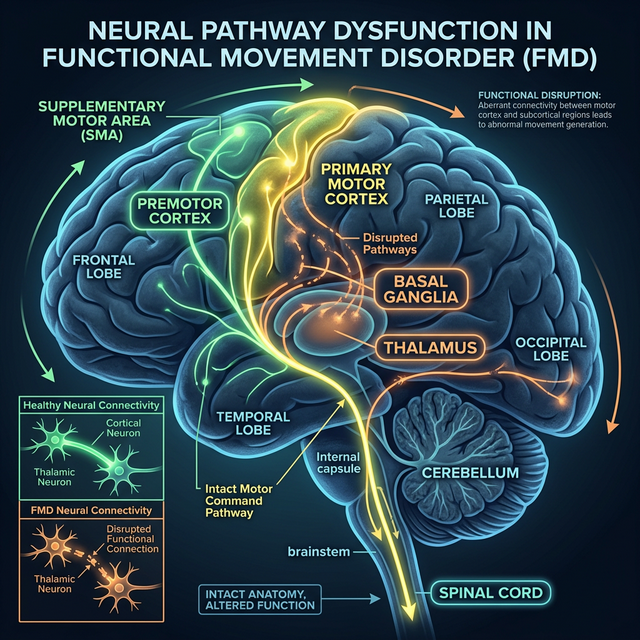
Functional Movement Disorder is a condition in which the brain produces abnormal, involuntary movements — not due to structural damage, but due to a disruption in how brain networks communicate with each other. Patients experience real, often disabling symptoms: weakness, abnormal gait, tremors, and jerks that cannot be explained by conventional neurological disease.

TMS offers a targeted intervention at the root of FMD — the motor cortex and supplementary motor area. By delivering focused magnetic pulses, TMS can interrupt maladaptive motor patterns and help the brain re-learn normal movement control, leveraging the brain's capacity for neuroplasticity.

Dr. Amin uses motor cortex mapping to identify the exact circuits driving dysfunctional movements, ensuring every TMS pulse is targeted precisely to the source of disruption.

Neural pathway diagram showing motor cortex disruption in functional movement disorder

Symptoms TMS can address in FMD:

Abnormal Gait

Unusual or dragging walking patterns that have no structural cause but originate in miscommunicating brain circuits.

Functional Weakness

Loss of motor control or limb weakness with normal neuroimaging, caused by disrupted motor network signaling.

Myoclonic Jerks

Sudden involuntary muscle spasms that are functionally-driven rather than caused by epileptic or organic disease.

TMS for Functional Neurological Disorder (FND)

When the nervous system generates genuine, disabling symptoms without identifiable structural damage — TMS offers a direct path to neural recalibration.

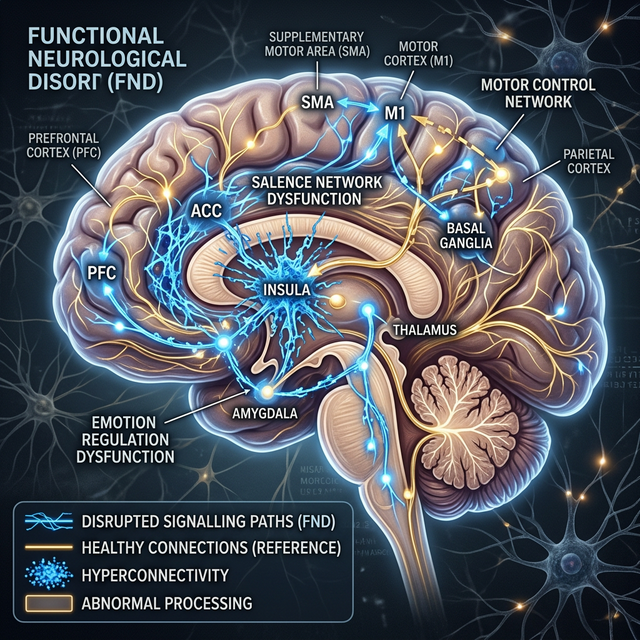
Brain connectivity illustration showing FND circuit dysfunction

Functional Neurological Disorder encompasses a spectrum of neurological symptoms — from seizure-like episodes and paralysis to sensory disturbances and speech problems — that arise from disrupted brain network function rather than lesions or classical disease. FND is not "psychological" or imagined; it is a real disorder of the brain's operating system.

TMS targets the specific cortical regions and networks that are known to be altered in FND. Research demonstrates that inhibitory or excitatory TMS over the motor cortex, premotor areas, and temporo-parietal junction can significantly reduce symptom burden by resetting the dysfunctional patterns of neural communication.

01

Network Analysis

Dr. Amin identifies the key cortical networks involved in each patient's FND presentation using clinical evaluation and motor mapping.

02

Targeted Recalibration

Precise TMS pulses are directed at the overactive or underactive cortical regions driving the FND symptoms to restore normal signaling.

03

Ongoing Progress

Treatment is integrated with physiotherapy for maximum neuroplastic benefit, with regular reassessment of functional outcomes.

FND is one of the most common reasons for neurological outpatient visits — yet it remains dramatically under-treated. TMS provides a direct, evidence-based biological intervention for this misunderstood condition.

TMS for Psychogenic Movement Disorder

Resolving abnormal, non-organic movement patterns through precision neuromodulation — targeting the brain, not the label.

Psychogenic Movement Disorder (PMD), now more accurately called Functional Movement Disorder in modern nomenclature, refers to movements that are inconsistent, distractible, and incongruent with recognized neurological disease — but are nonetheless real and involuntary to the patient experiencing them.

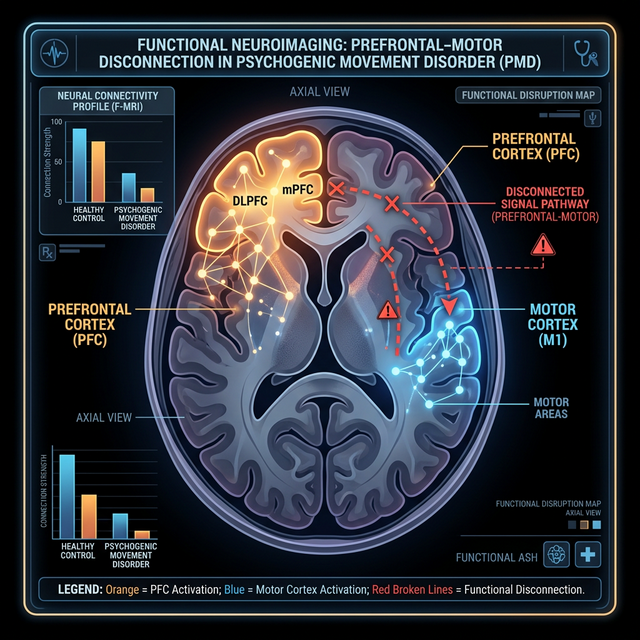
The brain generates these movements through dysfunctional top-down motor control. Trauma, stress, or emotional events can alter the way the brain's prefrontal and limbic regions modulate the motor system. TMS directly disrupts this maladaptive loop by re-establishing cortical inhibition over the affected motor pathways.

Unlike purely psychological approaches, TMS treats the underlying neurological mechanism — often leading to faster and more durable resolution of motor symptoms.

Brain scan highlighting prefrontal-motor disconnection in psychogenic movement disorder
SymptomHow TMS Helps
Tremor at RestSuppresses overactive supplementary motor area firing that drives involuntary trembling.
Gait DisturbanceStimulates bilateral motor cortex to restore coordinated walking patterns.
Limb JerkingTargets corticospinal pathways to reduce myoclonic and choreiform movements.

TMS for Functional Tremor

Calming debilitating involuntary trembling with precisely calibrated magnetic pulses — when medications haven't worked.

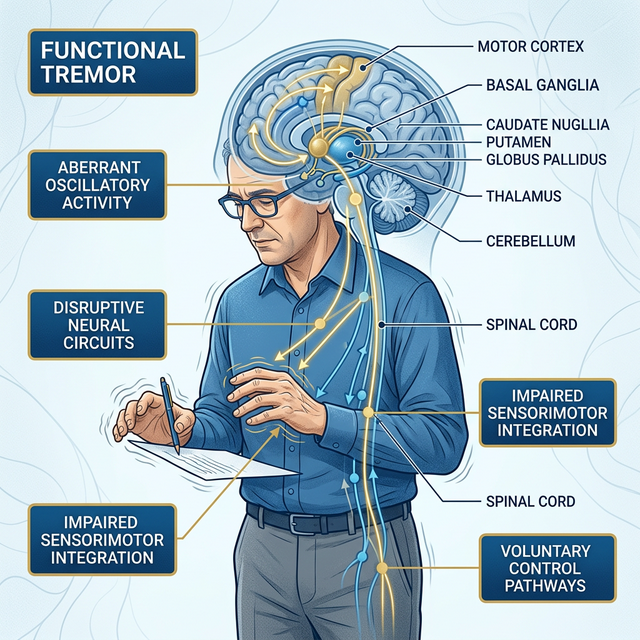
Patient demonstrating functional tremor with brain pathway visualization

Functional Tremor is the most common functional movement disorder, characterized by involuntary shaking that is variable, entrainable (it synchronizes when patients perform rhythmic tasks), and inconsistent with organic tremor conditions like Essential Tremor or Parkinson's Disease.

The tremor originates from an abnormal synchrony between the motor cortex, thalamus, and cerebellum. TMS delivered to the primary motor cortex and premotor cortex disrupts this pathological oscillatory loop. Studies have shown that inhibitory rTMS at 1 Hz can significantly reduce tremor amplitude and frequency in functional tremor patients.

Dr. Amin distinguishes functional tremor from organic tremor through careful clinical assessment before designing a personalized TMS protocol — ensuring treatment targets the right circuits.

Functional Tremor vs. Organic Tremor — How TMS Approaches Differ:

FactorFunctional TremorOrganic Tremor (e.g., ET)
TMS TargetSupplementary Motor Area + M1Primarily Motor Cortex
ProtocolInhibitory 1Hz rTMSFacilitatory High-Frequency
Expected OutcomeReduction in tremor entrainabilityReduction in tremor amplitude

TMS for Functional Dystonia

Releasing abnormal muscle contractions and fixed postures caused by dysfunctional cortical motor control.

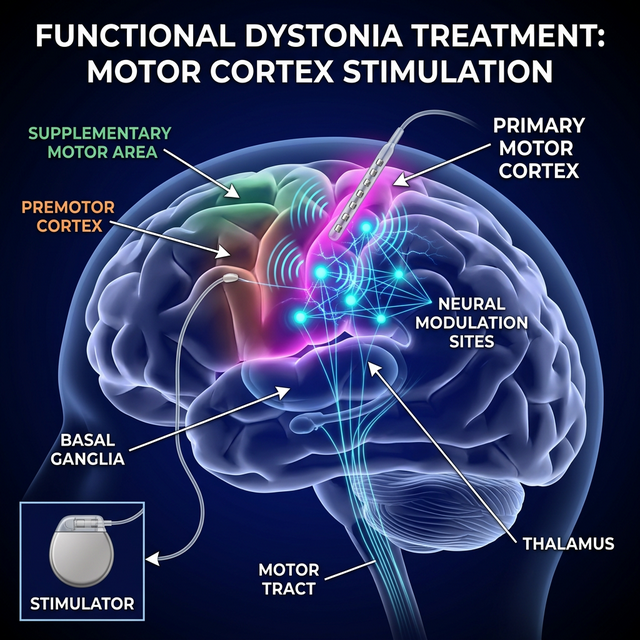
Functional Dystonia involves sustained or intermittent muscle contractions causing repetitive movements or abnormal postures. Unlike primary dystonia — which arises from basal ganglia dysfunction — functional dystonia originates in abnormal cortical processing and is often precipitated by injury, stress, or peripheral trauma.

Patients with functional dystonia often present with fixed postures, particularly of the hand, foot, or neck, that can be temporarily relieved with specific sensory tricks (a phenomenon called "geste antagoniste"). This trainability of the motor system makes TMS particularly effective, as it can leverage the same cortical plasticity to restore normal motor control.

  • Fixed or mobile dystonic postures not explained by structural MRI
  • Symptoms that began after peripheral injury, surgery, or emotional trauma
  • Trembling, cramping, or spasms with inconsistent onset and variable severity
  • Little or no response to traditional medications or Botox
Motor cortex stimulation illustration for functional dystonia treatment
Your Comfort Matters

Experience Our Healing Environment

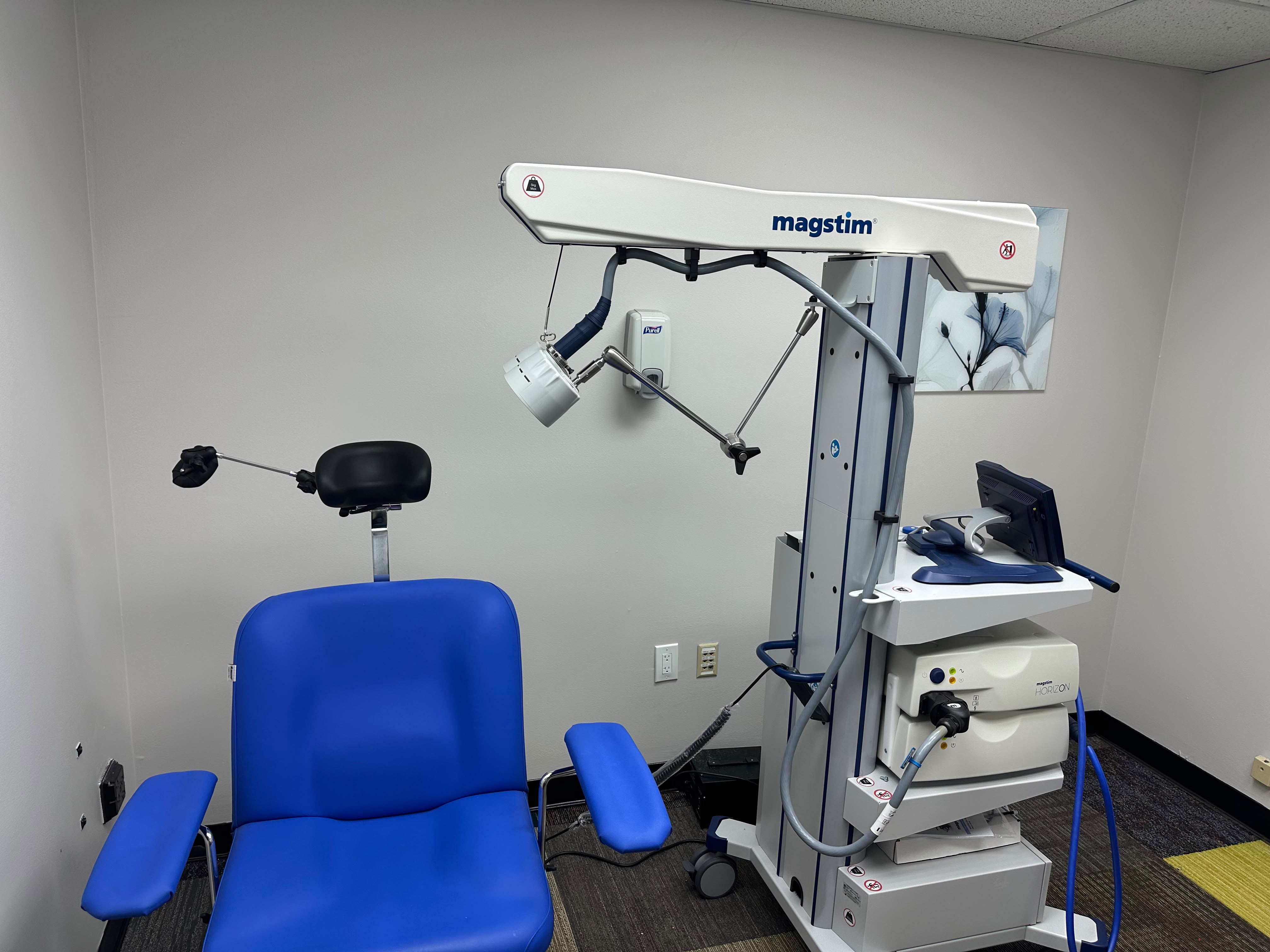
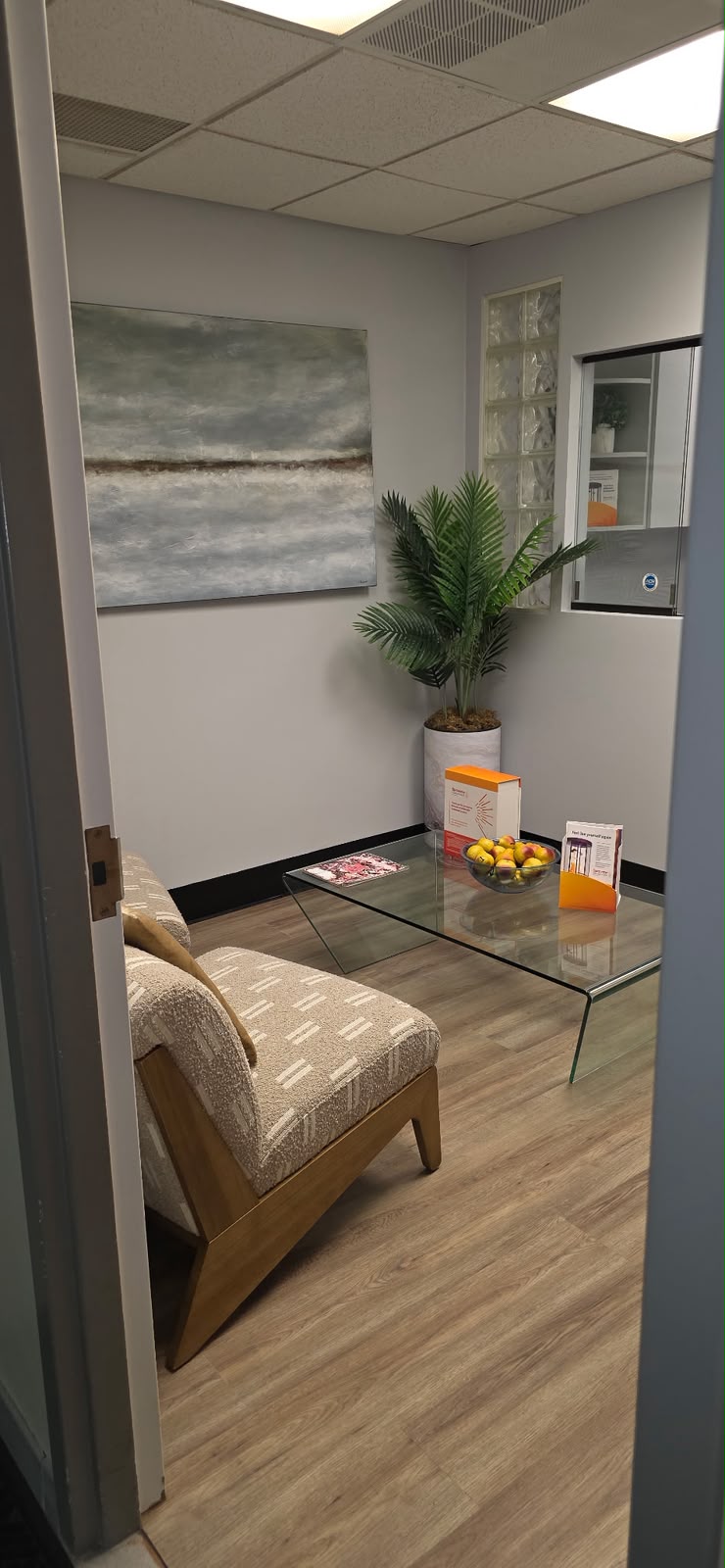
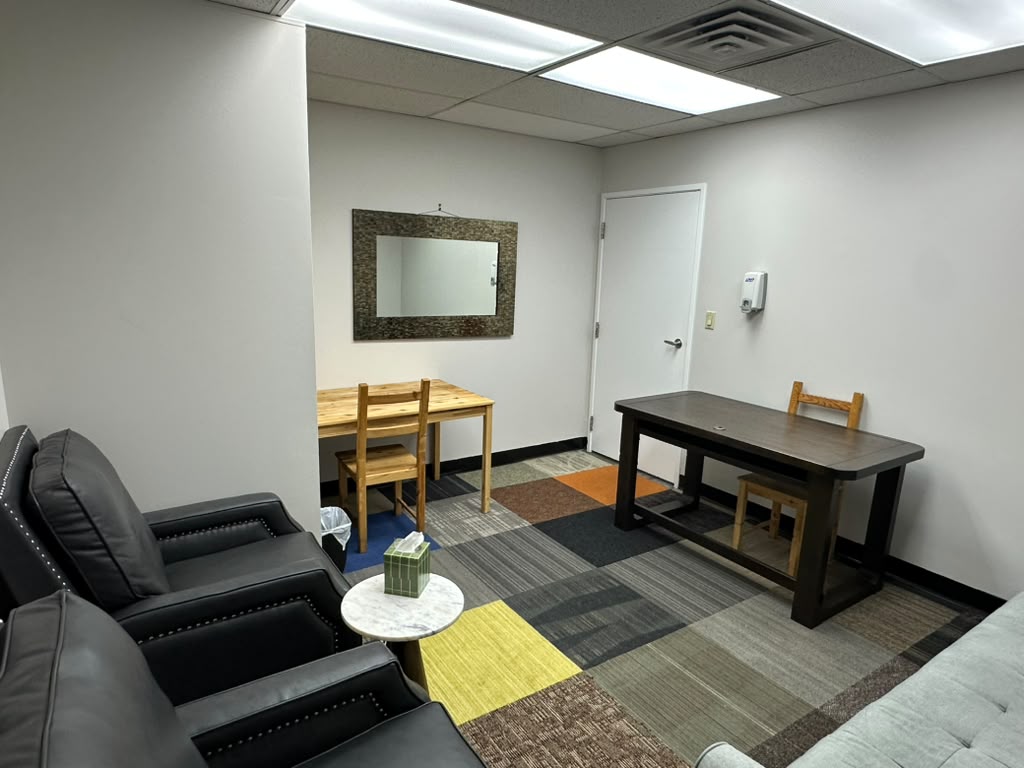
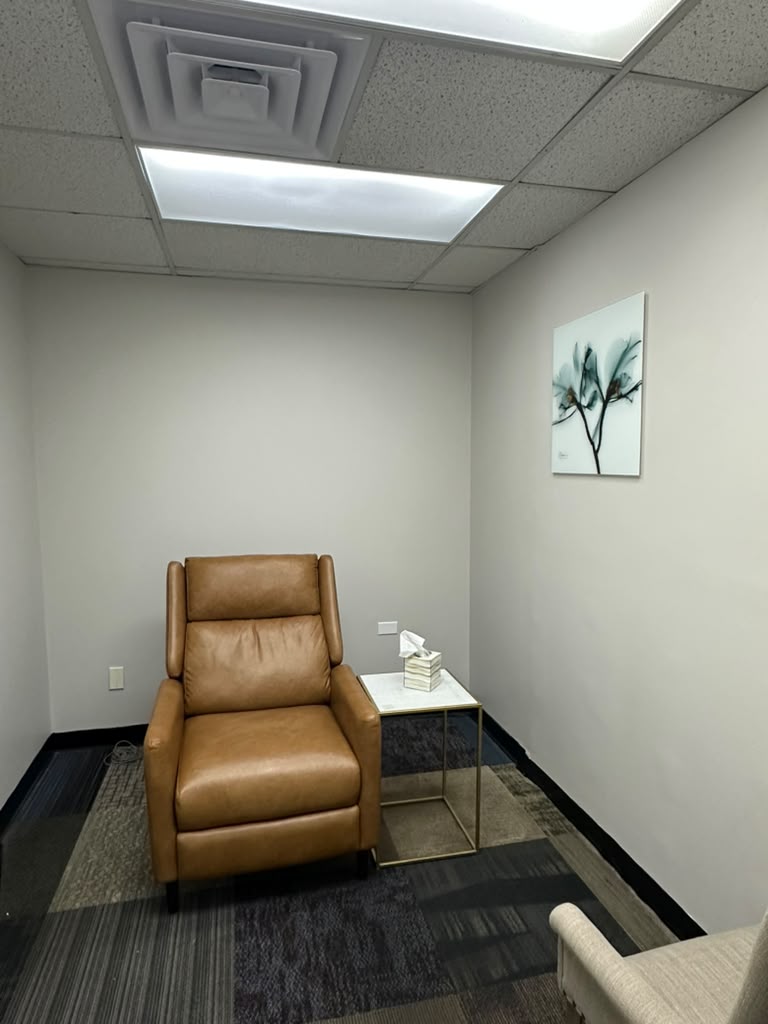
Take a look at our state-of-the-art TMS treatment rooms designed for your relaxation.

TMS Treatment Room at Dr. Ritesh Amin's Clinic
TMS Therapy Room
TMS Equipment
Relaxing Patient Experience

During your daily sessions, you will relax in our comfortable treatment chair. You can watch TV, listen to music, read a book, or simply close your eyes. The treatment is completely non-invasive, and our dedicated team is always present to ensure your utmost comfort.

Our Philosophy

A Comprehensive Approach to Motor Recovery

We go beyond symptom management to address the structural and functional disruptions underlying motor disorders.

Motor Cortex Mapping

Using TMS-based motor mapping to identify exactly which cortical regions are driving abnormal movement patterns before treatment begins.

Precision Stimulation

Highly targeted rTMS protocols calibrated for each functional condition — using the correct frequency, intensity, and location to disrupt maladaptive motor circuitry.

Integrated Rehabilitation

Combining TMS with physiotherapy to maximize neuroplastic gains — TMS primes the brain, while rehab reinforces the new motor patterns.

Dr. Ritesh Amin
Leading the Field in Neuromodulation

Meet Dr. Ritesh Amin, MD

Board Certified Psychiatrist & TMS Specialist

With over 15 years of clinical excellence, Dr. Amin is at the forefront of functional neurological disorder treatment. His customized TMS protocols address the unique motor circuit dysfunctions of each patient — from functional tremor to complex FND.

Read Full Biography
Patient Stories

Real People, Real Results

Hear from patients whose lives were transformed through Dr. Amin's care.

Marietta Baranca

★★★★★
I've been dealing with depression and PTSD for years and Dr. Amin's TMS Therapy has honestly saved my life. I'm someone who does not respond well to depression medication, so TMS was a godsend for me. I went from crying for no reason almost every day to feeling more stable and even optimistic. Dr. Amin is really invested in my mental health and Charlie, the TMS technician, is very helpful in making the treatments go by quickly and swiftly. I don't even want to imagine what my life would have been like without these treatments these past few years.
Google Review

Ganesh

★★★★★
Dr Amin helped me a lot with my persistent depression, anxiety and attention deficit issues. He is excellent at establishing a good relationship with the patient and helped understand more about these conditions and what he was looking to achieve through the treatment. Would highly recommend him.
Google Review

Kavita Ingle

★★★★★
Amazing experience with Dr. Amin. He helped me get out of my anxiety in just 2 months. He is very responsive, follows up personally, and is always available when you need to talk. Highly recommended! I had a wonderful experience with Nurse Melissa. She genuinely cares about her patients, and it shows in how she handles them. Thank You Dr Amin.
Google Review

Jeanne Hambrecht

★★★★★
I've been experiencing night terrors for a few years. I called Dr Amin immediately and he called me back right away. He told me he could help me. He came up with a medical plan with his diagnosis and that's what we're doing now. Dr. Amin is not aggressive and started very cautious with treatment because of my family history. Dr. Amin calls me to follow up on how I'm feeling. I highly recommend his practice. They answer in a timely manner. Everyone is very nice.
Google Review

Athena Xipolias

★★★★★
Dr. Amin saved me from my horrible OCD. Thank god for him. I originally went to him for a second opinion. I decided to take a leap of faith and start TMS after I had a bad OCD episode. It was rough in the beginning when I first started TMS but I persevered my way through and I'm so glad I did. I'm just about half way through and I see so many benefits already. I have my life back. I feel such relief — I can rationalize my thoughts and emotions so much better now. Overall I'm a better person. Thank you x1000 Dr. Amin!!!
Google Review

Kathryn Mahaney

★★★★★
With professionalism and empathy, Dr Amin and Dr R. Truly are a rarity in today's world of Psychiatry. Incredibly knowledgeable and they are excellent patient advocates. Highly Recommend!
Google Review

Syeda Shebah Ali

★★★★★
Before becoming a patient of Dr. Amin, I was experiencing persistent cognitive fog, chronic depression, and generalized anxiety that significantly impacted my ability to function day to day. Since implementing Dr. Amin's comprehensive recommendations, my cognitive clarity has returned, my mood has stabilized, and I now have the energy and confidence to manage daily tasks and engage in social environments without fear. Dr. Amin's thoughtful and integrative approach to treatment has been transformative. His attention to detail and commitment to addressing root causes — rather than just symptoms — has helped me reclaim both my functionality and quality of life. I am truly grateful for the care I've received.
Google Review

Deolinda Amaral

★★★★★
Thank you for the help. After the stroke, my husband improved in his speech, walking and memory with TMS for his Depression. Best doctor ever.
Google Review

Punam Patel

★★★★★
Dr Singh and Dr Amin are phenomenal. They go above and beyond for their patients.
Google Review

Sharon Page

Local Guide · 15 reviews
★★★★★
I have been a patient with NJ Healthy Minds for the past couple of years, and choosing them has been one of the best decisions I've made for myself. Everyone I've encountered has been kind, compassionate, supportive, and consistent. The passion and care they show truly reflect their purpose and the positive impact they make in people's lives every day. I am not the same person I was when I first came to them. Their support has made a tremendous difference in my life, and for that I am deeply grateful. Dr Amin & staff, you rock.
Google Review

Ann Rappaport

Local Guide · 33 reviews
★★★★★
Dr Amin is a very caring doctor. He helped me regain my peace via TMS therapy. He took whatever time was required to explain in detail what to expect. Unlike most in his field, he returns calls with urgency. I love having him as my doctor.
Google Review

Read all patient reviews

Frequently Asked Questions

Movement Disorder TMS FAQs

TMS is utilized to manage symptoms of Parkinson's disease, essential tremor, dystonia, Tourette syndrome, and various forms of ataxia and chorea.
Movement disorders often feature overactive circuits in the motor cortex. By using low-frequency inhibitory TMS, Dr. Amin can calm these circuits, reducing the severity of tremors and muscle spasms.
For some patients, yes. TMS offers a non-invasive, surgery-free method to modulate deep brain networks. It is an excellent option for patients who are not candidates for or wish to avoid invasive DBS surgery.
No. TMS is a physical, localized treatment that does not cause chemical interactions with your current neurological medications. It works synergistically with them.
Effects vary by condition. Many patients experience relief that lasts for months. Because movement disorders are typically chronic, maintenance sessions are often recommended to sustain motor control.
Take the First Step

Is TMS Right for Your Movement Disorder?

Dr. Amin provides thorough neurological evaluations to determine if TMS can benefit your specific functional disorder and motor recovery goals.

Recovery Begins Here

Reclaim Control of Your Movement

Advanced TMS therapy can help you move past the plateau. Dr. Amin and our team are ready to guide your recovery.

Book Your Consultation Today

Also explore TMS for Parkinson's and TMS for Stroke Recovery.