TMS Therapy for Panic Disorder | Dr. Ritesh Amin – Edison, NJ
Psychiatry & Neuromodulation

TMS for Panic Disorder in Edison, NJ

Advanced neuromodulation to calm the brain's sudden threat response. Reclaim your freedom from the fear of the next panic attack.

Bio
Non-chemical Care
Targeted
Right-side Protocols
Addictive properties
Outpt.
Safe & Comfortable

The Neurological Spark of Panic

A panic attack is a physical misfiring of the brain's survival machinery.

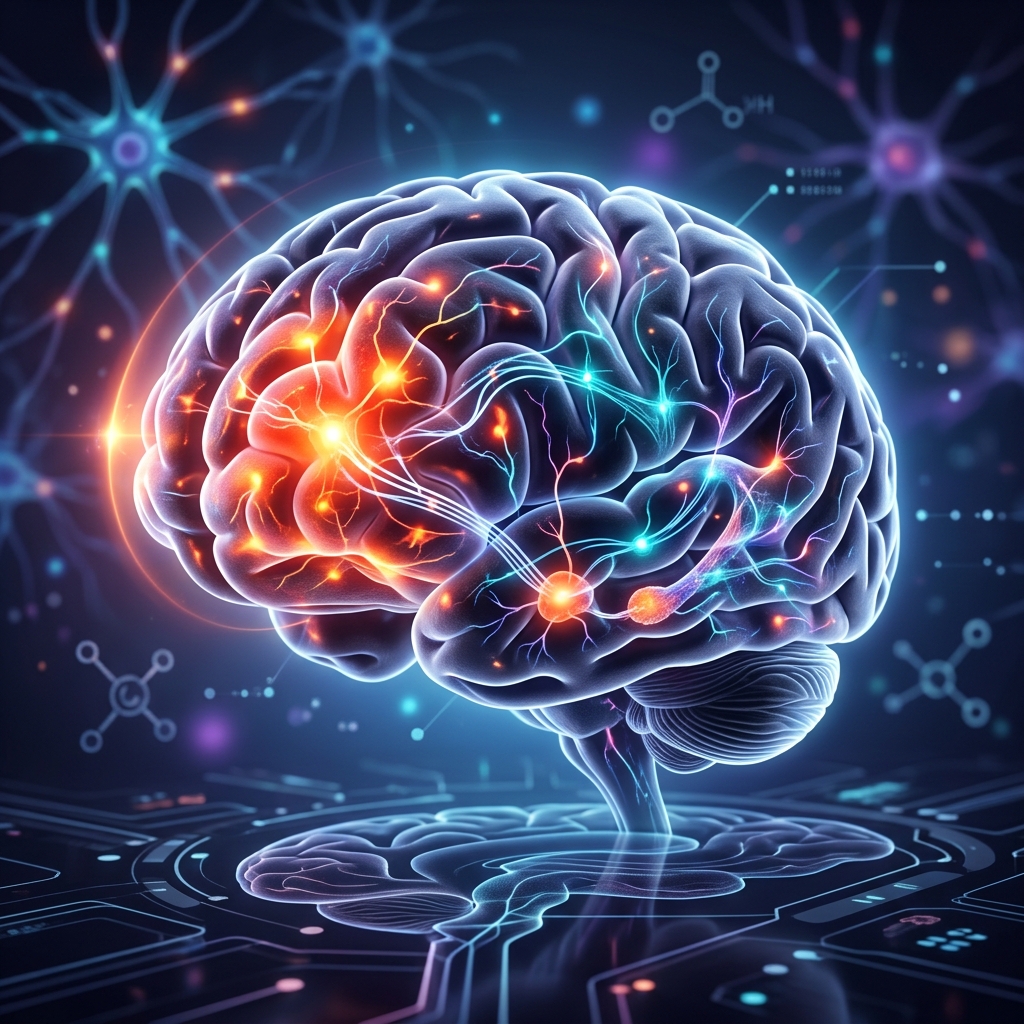
Panic Disorder occurs when the brain's fight-or-flight response activates suddenly and intensely, without any actual danger present. In neuroimaging studies of patients with Panic Disorder, researchers repeatedly see hyperactivity in the amygdala and right prefrontal cortex.

When these regions become highly sensitized, even minor physiological changes (like a slightly elevated heart rate) can trigger a cascading, overwhelming neuro-electric response that feels entirely like an impending catastrophe.

Because panic is often deeply physiological, cognitive attempts to "talk yourself out of it" frequently fail. The structural sensitivity of the brain must be addressed.

Brain mapping of anxiety and panic

Slowing the Misfire

Utilizing inhibitory magnetic frequencies to desensitize the panic response.

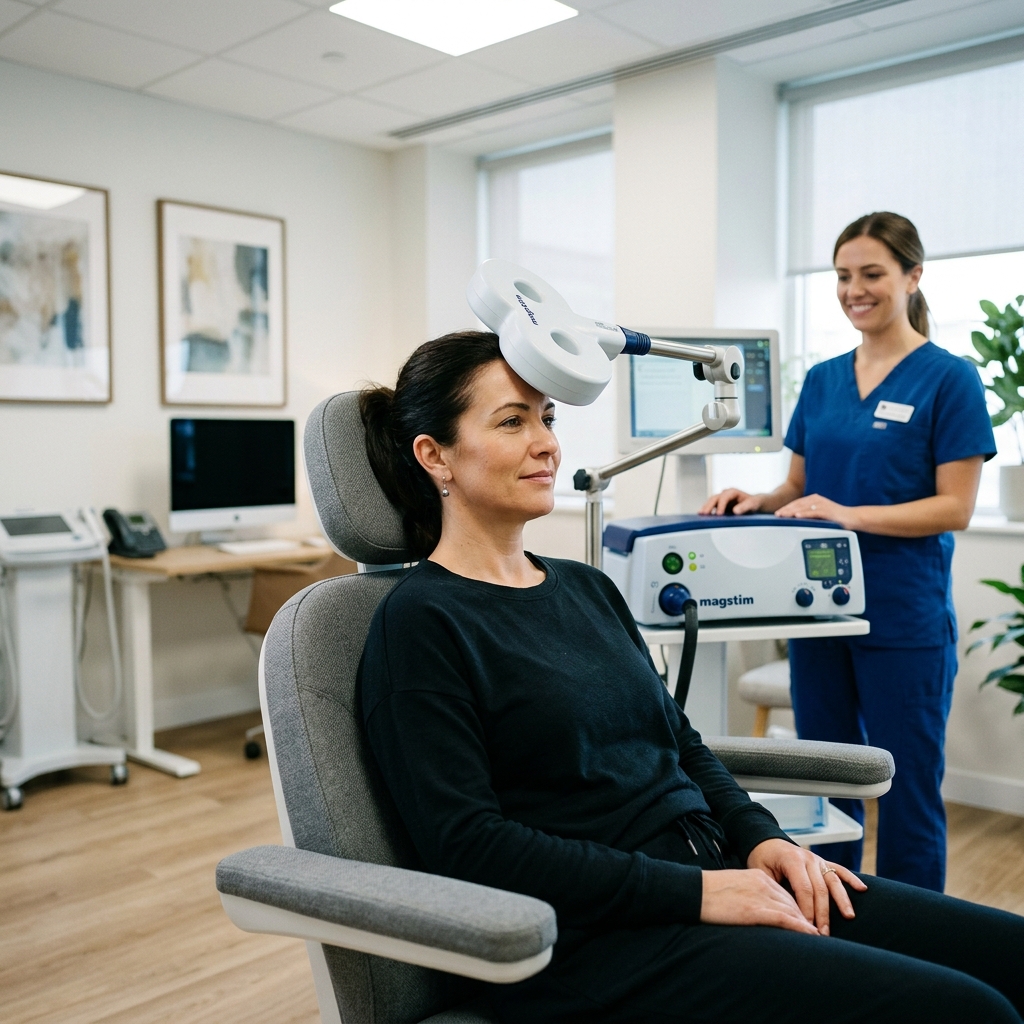
Patient receiving TMS therapy

TMS for panic leverages principles similar to those used for Generalized Anxiety. We apply low-frequency (slow) magnetic pulses, typically to the right dorsolateral prefrontal cortex (DLPFC). These pulses are inherently inhibitory.

By repeatedly applying a "braking" action to the hyperactive cortex, TMS creates a top-down calming effect on the limbic system (the amygdala). Over a course of treatments, the threshold for triggering a panic attack is raised, meaning it takes significantly more stress to inadvertently sound the alarm.

01

Inhibitory Stimulation

Slow magnetic pulses act to suppress the over-excitability of the right cortical regions.

02

Raising the Threshold

As neuroplasticity occurs, the brain literally becomes less "twitchy" and reactive to minor stimuli.

03

Reduced Anticipatory Fear

With fewer spontaneous attacks, the underlying dread of "when will the next one happen" begins to dissipate.

Symptoms Relieved by Neuromodulation

Addressing both the acute attacks and the chronic dread.

Spontaneous Panic Attacks

Reducing the frequency and severe intensity of sudden, out-of-the-blue panic episodes and physical symptoms (heart palpitations, shortness of breath).

Anticipatory Anxiety

Calming the persistent, exhausting fear and worry about having another panic attack in the future.

Agoraphobia

By preventing the attacks, patients regain the neurological confidence required to stop avoiding public or crowded triggering spaces.

Your Comfort Matters

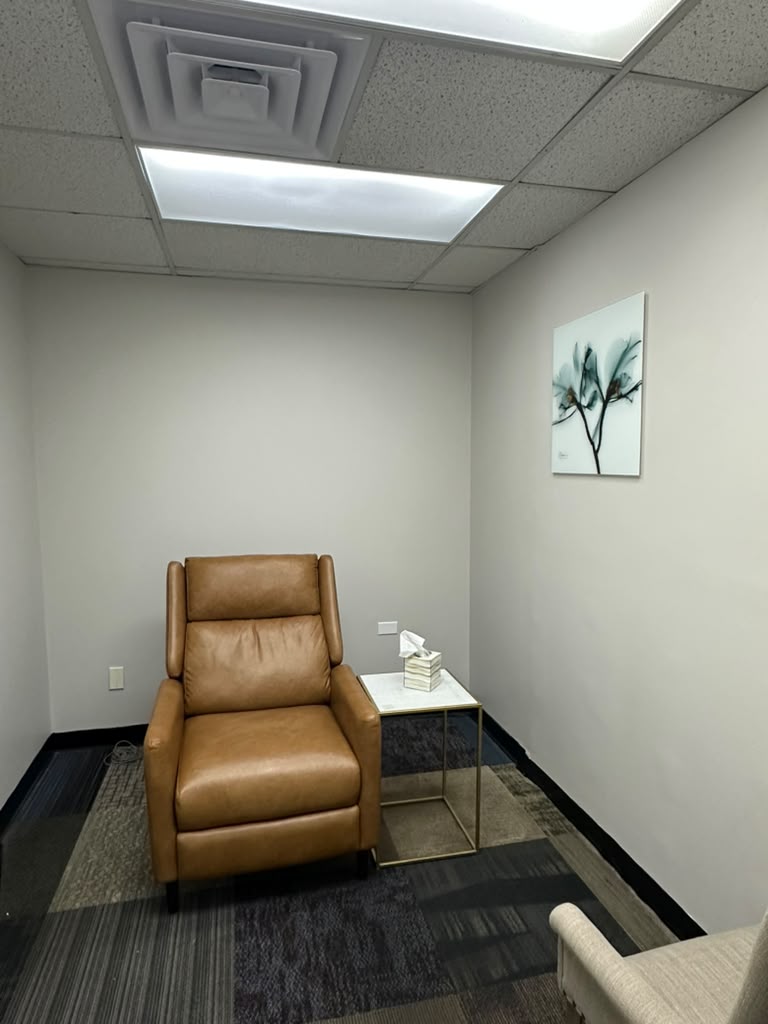
Experience Our Healing Environment

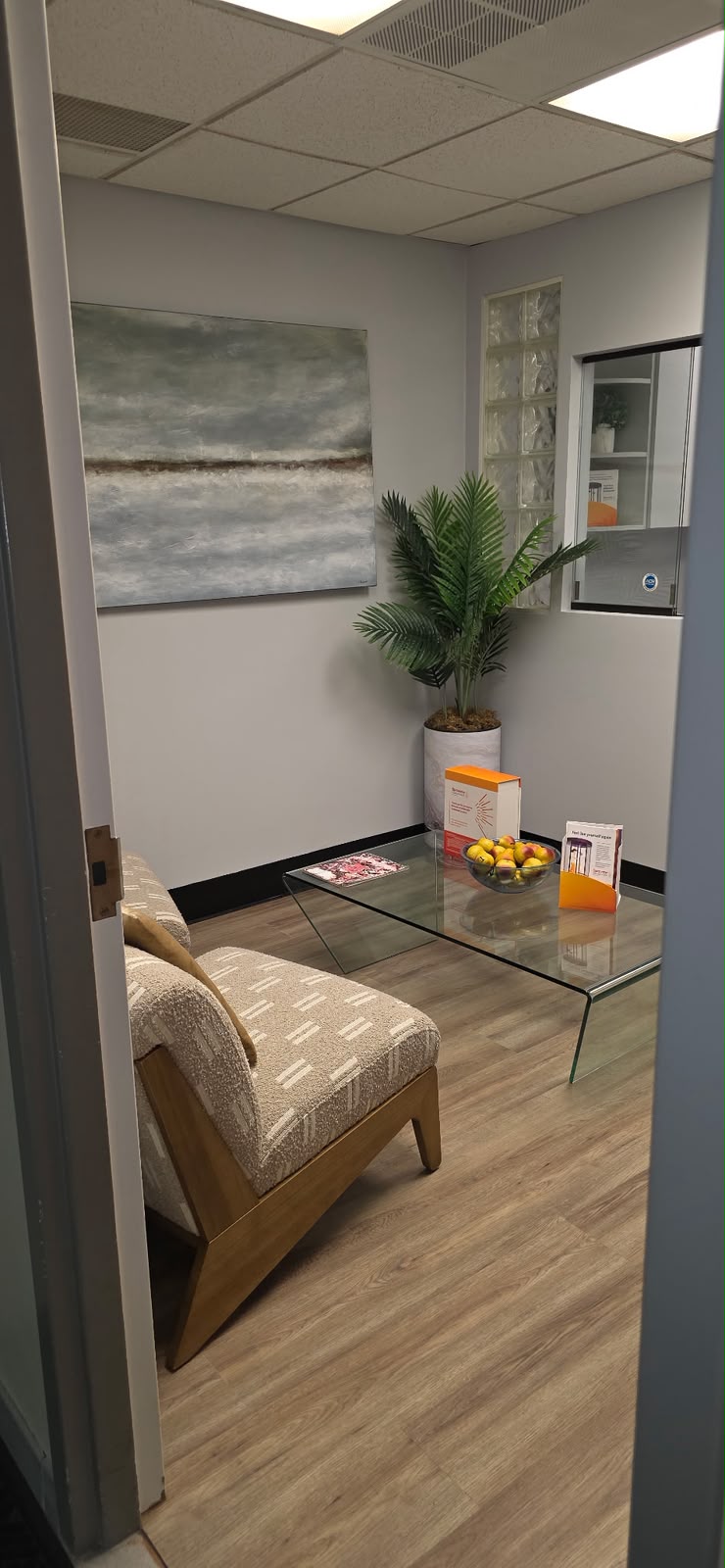
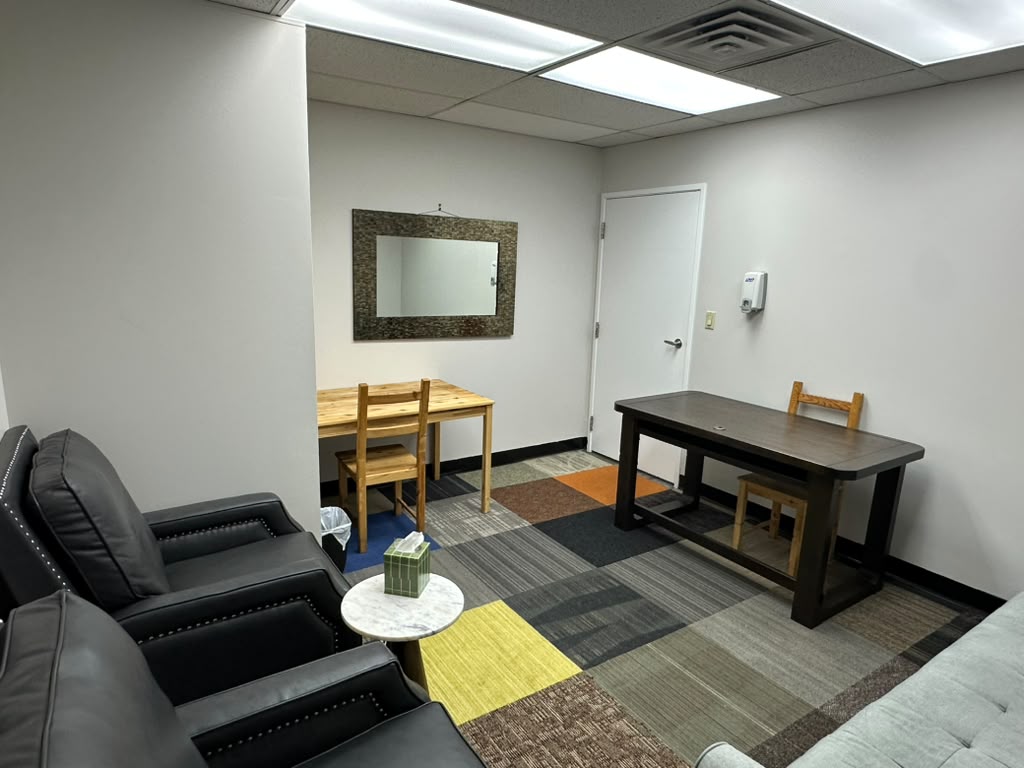
Take a look at our state-of-the-art TMS treatment rooms designed for your relaxation.

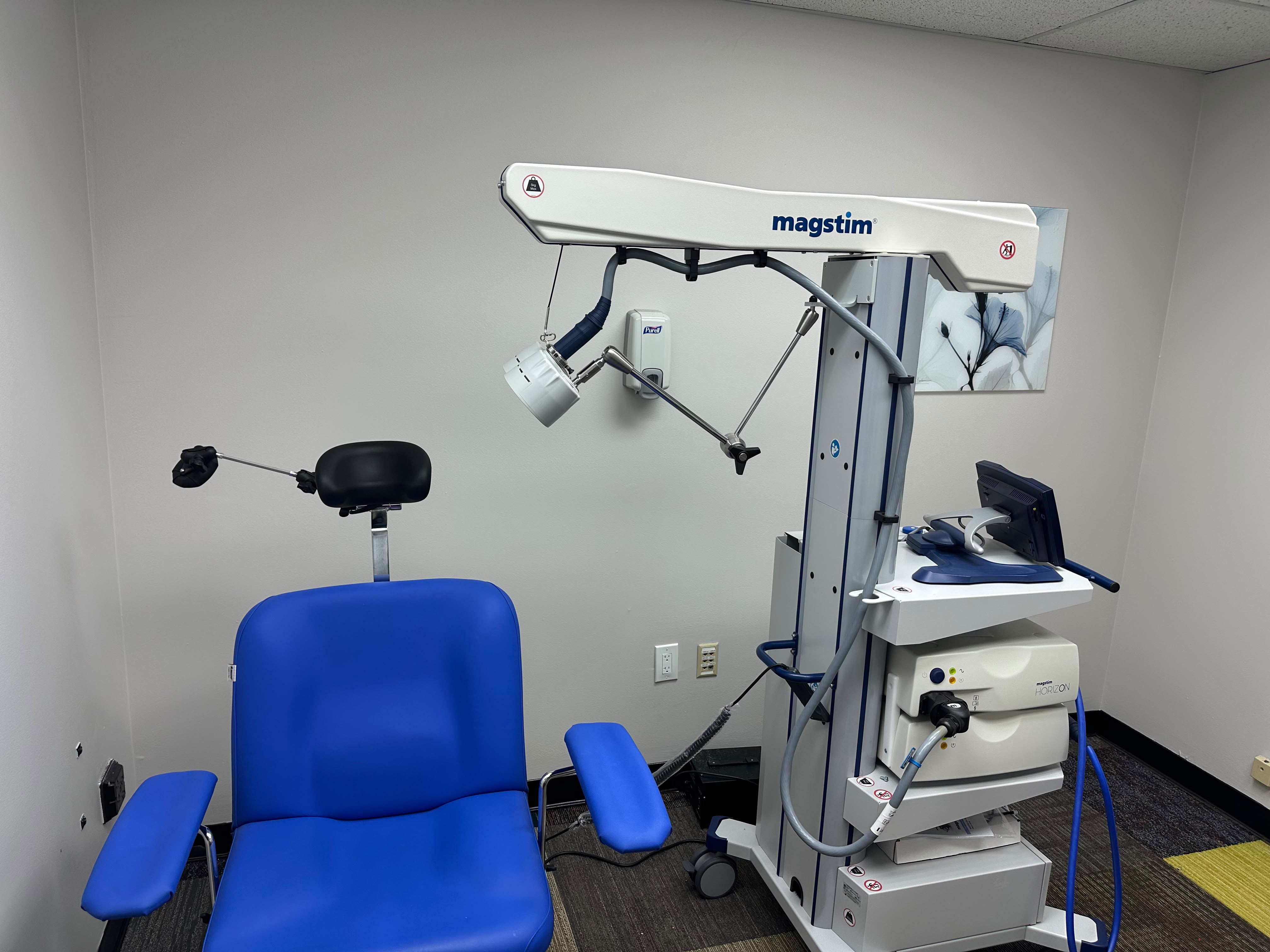
TMS Treatment Room at Dr. Ritesh Amin's Clinic
TMS Therapy Room
TMS Equipment
Relaxing Patient Experience

During your daily sessions, you will relax in our comfortable treatment chair. You can watch TV, listen to music, read a book, or simply close your eyes. The treatment is completely non-invasive, and our dedicated team is always present to ensure your utmost comfort.

The Benefits of Non-Systemic Care

Why Avoid the Benzodiazepine Trap?

TMS offers a path to permanent relief without chemical dependency.

Zero Addiction Risk

Common treatments for panic (like Xanax or Klonopin) are highly addictive. TMS carries absolutely zero risk of chemical dependency or dangerous withdrawal.

Structural Change

While anti-anxiety pills simply mask the symptoms while they are in your bloodstream, TMS promotes neuroplasticity, actually healing the dysfunctional circuitry for durable relief.

No Cognitive Fog

Panic medications are sedatives that dull your reactions and memory. TMS leaves your cognition intact, allowing you to return immediately to work or driving post-session.

Dr. Ritesh Amin
Expertise in Interventional Psychiatry

Meet Dr. Ritesh Amin, MD

Board Certified Psychiatrist

Knowing how severely Panic Disorder restricts patients' lives, Dr. Amin works aggressively to implement non-systemic interventions. By carefully mapping inhibitory TMS protocols, he helps patients break free from the terrifying cycle of panic without forcing them to rely on powerful, sedating medications.

Read Full Biography
Patient Stories

Real People, Real Results

Hear from patients whose lives were transformed through Dr. Amin's care.

Marietta Baranca

★★★★★
I've been dealing with depression and PTSD for years and Dr. Amin's TMS Therapy has honestly saved my life. I'm someone who does not respond well to depression medication, so TMS was a godsend for me. I went from crying for no reason almost every day to feeling more stable and even optimistic. Dr. Amin is really invested in my mental health and Charlie, the TMS technician, is very helpful in making the treatments go by quickly and swiftly. I don't even want to imagine what my life would have been like without these treatments these past few years.
Google Review

Ganesh

★★★★★
Dr Amin helped me a lot with my persistent depression, anxiety and attention deficit issues. He is excellent at establishing a good relationship with the patient and helped understand more about these conditions and what he was looking to achieve through the treatment. Would highly recommend him.
Google Review

Kavita Ingle

★★★★★
Amazing experience with Dr. Amin. He helped me get out of my anxiety in just 2 months. He is very responsive, follows up personally, and is always available when you need to talk. Highly recommended! I had a wonderful experience with Nurse Melissa. She genuinely cares about her patients, and it shows in how she handles them. Thank You Dr Amin.
Google Review

Jeanne Hambrecht

★★★★★
I've been experiencing night terrors for a few years. I called Dr Amin immediately and he called me back right away. He told me he could help me. He came up with a medical plan with his diagnosis and that's what we're doing now. Dr. Amin is not aggressive and started very cautious with treatment because of my family history. Dr. Amin calls me to follow up on how I'm feeling. I highly recommend his practice. They answer in a timely manner. Everyone is very nice.
Google Review

Athena Xipolias

★★★★★
Dr. Amin saved me from my horrible OCD. Thank god for him. I originally went to him for a second opinion. I decided to take a leap of faith and start TMS after I had a bad OCD episode. It was rough in the beginning when I first started TMS but I persevered my way through and I'm so glad I did. I'm just about half way through and I see so many benefits already. I have my life back. I feel such relief — I can rationalize my thoughts and emotions so much better now. Overall I'm a better person. Thank you x1000 Dr. Amin!!!
Google Review

Kathryn Mahaney

★★★★★
With professionalism and empathy, Dr Amin and Dr R. Truly are a rarity in today's world of Psychiatry. Incredibly knowledgeable and they are excellent patient advocates. Highly Recommend!
Google Review

Syeda Shebah Ali

★★★★★
Before becoming a patient of Dr. Amin, I was experiencing persistent cognitive fog, chronic depression, and generalized anxiety that significantly impacted my ability to function day to day. Since implementing Dr. Amin's comprehensive recommendations, my cognitive clarity has returned, my mood has stabilized, and I now have the energy and confidence to manage daily tasks and engage in social environments without fear. Dr. Amin's thoughtful and integrative approach to treatment has been transformative. His attention to detail and commitment to addressing root causes — rather than just symptoms — has helped me reclaim both my functionality and quality of life. I am truly grateful for the care I've received.
Google Review

Deolinda Amaral

★★★★★
Thank you for the help. After the stroke, my husband improved in his speech, walking and memory with TMS for his Depression. Best doctor ever.
Google Review

Punam Patel

★★★★★
Dr Singh and Dr Amin are phenomenal. They go above and beyond for their patients.
Google Review

Sharon Page

Local Guide · 15 reviews
★★★★★
I have been a patient with NJ Healthy Minds for the past couple of years, and choosing them has been one of the best decisions I've made for myself. Everyone I've encountered has been kind, compassionate, supportive, and consistent. The passion and care they show truly reflect their purpose and the positive impact they make in people's lives every day. I am not the same person I was when I first came to them. Their support has made a tremendous difference in my life, and for that I am deeply grateful. Dr Amin & staff, you rock.
Google Review

Ann Rappaport

Local Guide · 33 reviews
★★★★★
Dr Amin is a very caring doctor. He helped me regain my peace via TMS therapy. He took whatever time was required to explain in detail what to expect. Unlike most in his field, he returns calls with urgency. I love having him as my doctor.
Google Review

Read all patient reviews

Frequently Asked Questions

TMS for Panic FAQs

TMS uses low-frequency (inhibitory) magnetic pulses to calm hyperactive regions of the brain, specifically the right prefrontal cortex, which modulates the amygdala's fear and panic responses.
Many patients are able to reduce or eliminate their reliance on fast-acting, potentially habit-forming medications (like benzodiazepines) after a successful course of TMS.
The environment is calm and controlled. The inhibitory frequencies used for anxiety and panic are actually designed to soothe neural activity, making it highly unlikely to trigger a panic attack.
While individual results vary, many patients notice a decrease in the intensity and frequency of panic attacks within the first 3 weeks of daily treatment.
TMS promotes long-term neuroplasticity, offering durable relief. If symptoms return months or years later, brief maintenance sessions can quickly restore balance.
Reclaim Your Freedom

Stop Waiting for the Next Attack

Discover how neuromodulation can desensitize your panic response safely and effectively.

Book Your Consultation Today

Also explore TMS for PTSD and TMS for OCD.