What Causes Treatment-Resistant Depression: Quick Answer
Treatment-resistant depression is caused by complex biological, genetic, neurostructural, and diagnostic factors that prevent standard oral antidepressant medications from working effectively. While traditional antidepressants target monoamine neurotransmitters (like serotonin and norepinephrine) at the chemical level, treatment-resistant depression is primarily driven by disrupted neural circuits in the prefrontal cortex, dysregulated glutamate signaling, chronic low-grade neuroinflammation, overactivity of the body’s stress-response system (the HPA axis), genetic variations in drug metabolism, or co-occurring medical conditions.
When two or more first-line antidepressant trials at adequate dosages fail to yield clinical remission, patients are classified as having treatment-resistant depression. Fortunately, advanced non-invasive brain stimulation modalities—most notably Transcranial Magnetic Stimulation (TMS) therapy—directly address the root neurobiological causes of treatment-resistant depression by reactivating dormant neural pathways under the expert care of Dr. Ritesh Amin in Edison, NJ.
What Is Treatment-Resistant Depression and Why Does It Happen?
Major Depressive Disorder is a debilitating psychiatric condition affecting tens of millions of individuals worldwide. While oral antidepressants provide substantial relief for many, approximately 30% to 40% of patients fail to achieve full symptomatic remission despite multiple medication trials.
In clinical psychiatry, treatment-resistant depression is formally defined as a major depressive episode that fails to respond adequately to at least two distinct antidepressant trials of adequate dose and duration (typically 6 to 8 weeks per trial) within the same depressive episode.
According to psychiatric research documented on Wikipedia's medical treatment-resistant depression entry, this condition represents a distinct neurobiological state rather than a failure of patient willpower. It carries a higher risk of relapse, cognitive fatigue, and functional impairment, making targeted, circuit-specific interventions like TMS therapy essential.
Biological Causes of Treatment-Resistant Depression
Why do standard SSRIs (Selective Serotonin Reuptake Inhibitors) and SNRIs work for some individuals but prove ineffective for others? Modern neuroscience reveals that treatment-resistant depression involves structural and functional brain deficits that oral medications cannot resolve:
1. Disrupted Prefrontal Neural Circuits
Functional neuroimaging studies demonstrate that individuals with treatment-resistant depression exhibit marked hypoactivity in the dorsolateral prefrontal cortex (dlPFC)—the brain region responsible for mood regulation, cognitive control, and decision-making—along with hyperactive signaling in the limbic system (the emotional center). Traditional medications may increase chemical levels across the whole brain but fail to reactivate these specific frontostriatal circuits.
2. Glutamate & GABA Dysregulation
While traditional medications focus on serotonin, treatment-resistant depression is heavily linked to dysfunction in glutamate—the brain's primary excitatory neurotransmitter—and GABA (gamma-aminobutyric acid). Glutamatergic synaptic deficits lead to lost dendritic spines and reduced synaptic density in mood-regulating regions. Novel interventions like Spravato® (esketamine) and ketamine therapy target NMDA glutamate receptors to trigger rapid synaptogenesis.
3. Impaired Brain Neuroplasticity
Brain-Derived Neurotrophic Factor (BDNF) is a vital protein that acts like fertilizer for brain cells, helping neurons grow, adapt, and form new synaptic connections. Chronic depression severely depletes BDNF levels, causing neural connections in the hippocampus and prefrontal cortex to wither.
4. Chronic Neuroinflammation
Elevated levels of systemic inflammatory markers—such as C-reactive protein (CRP), interleukin-6 (IL-6), and tumor necrosis factor-alpha (TNF-α)—are frequently found in patients with treatment-resistant depression. Chronic neuroinflammation impairs neurogenesis, degrades blood-brain barrier integrity, and alters tryptophan metabolism, depleting serotonin precursor availability.
5. HPA Stress Axis Overactivity
Prolonged psychological or physiological stress causes persistent overactivity of the HPA axis, leading to chronically elevated cortisol levels. Hypercortisolemia damages hippocampal neurons, shrinks brain volume in mood centers, and impairs the brain's natural neuroplasticity—rendering standard oral medications insufficient to repair damaged neural architecture.
6. Genetic Drug Metabolism Variations
Individual genetic variations in cytochrome P450 enzymes (such as CYP2D6 and CYP2C19) influence how rapidly or slowly the liver metabolizes antidepressant drugs. Patients with ultra-rapid metabolism clear medications before therapeutic levels are achieved, while poor metabolizers experience severe side effects at low doses.
How TMS Therapy Helps with Treatment-Resistant Depression
When standard medications fail to deliver results, understanding how to recover from severe depression using TMS therapy offers a powerful pathway to long-term wellness. Unlike oral antidepressants that travel through the digestive system and bloodstream, TMS therapy works directly on the brain's electrical circuits.
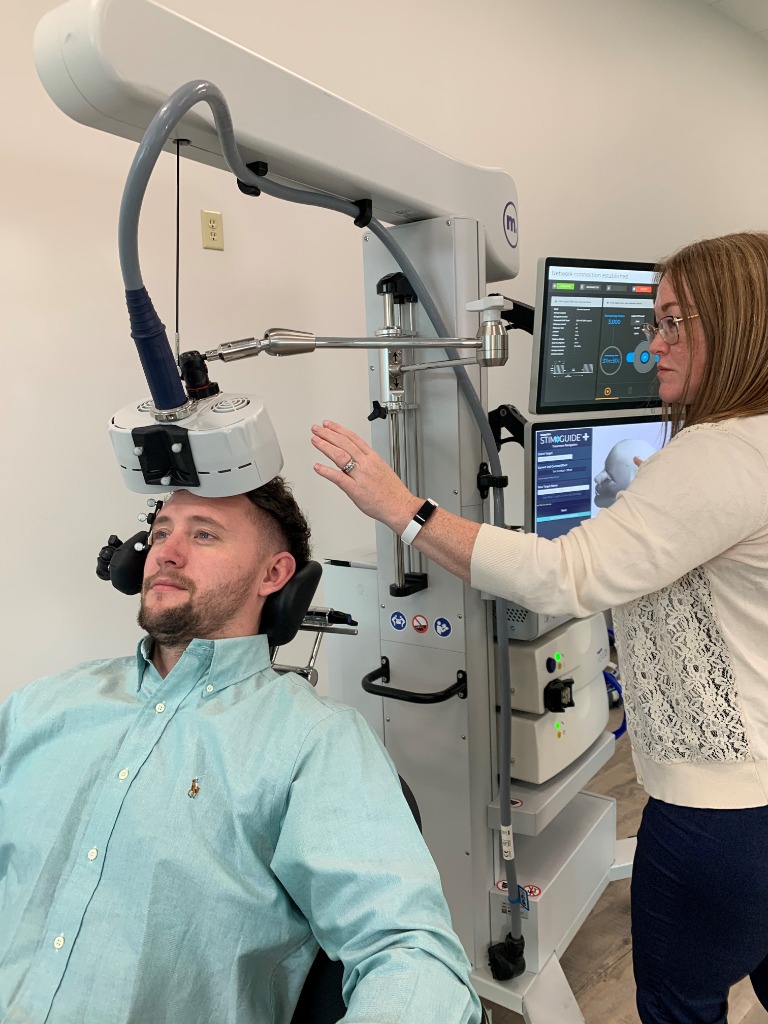
By placing a targeted electromagnetic coil over the left prefrontal cortex, TMS therapy delivers gentle magnetic pulses that stimulate dormant neurons. Over a series of short daily sessions, this targeted stimulation restores healthy metabolic activity in the brain, promoting natural synaptic growth and bringing relief to individuals who felt stuck in persistent depressive episodes.
How TMS Therapy Prevents Relapse
A major challenge in treating depression is avoiding symptom relapse. So, how does TMS therapy prevent depression relapse over time?
- Boosting Natural BDNF & Synaptic Density: High-frequency magnetic pulses stimulate local production of Brain-Derived Neurotrophic Factor (BDNF), helping the brain rebuild physical neural connections and strengthen synaptic resilience.
- Restoring Frontostriatal Circuit Connectivity: By normalizing communication between the prefrontal cortex and deeper limbic emotional structures, TMS therapy rebalances mood-regulating networks.
- Bypassing Liver Metabolism & Genetic Barriers: Because TMS therapy is a direct medical device treatment, it is completely unaffected by liver enzyme variations or pharmacogenomic drug resistance.
- Delivering Lasting Remission Without Daily Medication: Clinical research shows that over 60% of patients achieve significant symptom reduction, with many enjoying long-term remission lasting months to years after completing their treatment protocol.
Medical & Diagnostic Causes of Treatment Resistance
In addition to cellular and neurochemical mechanisms, several clinical and medical variables frequently contribute to treatment-resistant depression:
1. Co-Occurring Conditions
Depression rarely exists in complete isolation. Unaddressed co-morbidities such as generalized anxiety disorder, panic disorder, obsessive-compulsive disorder (OCD), post-traumatic stress disorder (PTSD), or adult ADHD can perpetuate depressive symptoms and render standard monotherapy ineffective.
2. Diagnostic Misclassification
One of the most frequent causes of apparent treatment resistance is bipolar depression misdiagnosed as unipolar major depressive disorder. Standard antidepressant monotherapy in bipolar patients can trigger rapid cycling, mixed states, or worsening depressive episodes. Comprehensive evaluation by an experienced board-certified psychiatrist is essential to ensure diagnostic accuracy.
3. Underlying Medical Disorders
Medical conditions that mimic or exacerbate depression must be thoroughly evaluated. Common physical causes include:
- Hypothyroidism and Hashimoto's Thyroiditis: Thyroid hormone deficits directly slow cerebral metabolism.
- Vitamin D and B12 Deficiencies: Essential nutrients required for neurotransmitter synthesis.
- Autoimmune and Neurological Conditions: Multiple sclerosis, Lyme disease, and chronic fatigue syndrome.
- Sleep Apnea and Circadian Disruptions: Chronic hypoxia and fragmented sleep prevent neural repair.
4. Inadequate Dosing or Duration
Sometimes what appears to be treatment resistance is actually pseudo-resistance. Discontinuing medication prematurely due to initial side effects, taking sub-therapeutic doses, or inconsistent daily dosing prevents drugs from reaching therapeutic serum levels needed to alter brain chemistry.
Why Standard Antidepressants Fail for Treatment-Resistant Depression
Traditional oral antidepressants work primarily through a bottom-up chemical approach: increasing synaptic concentration of monoamine neurotransmitters (serotonin, norepinephrine, dopamine). However, in severe or chronic depression, the core issue is often a failure of structural neuroplasticity and synaptogenesis.
When synaptic connections in the hippocampus and prefrontal cortex have degraded due to prolonged inflammation and high cortisol, simply flooding the synaptic cleft with serotonin is like putting gas in a car with a broken engine. Real recovery requires therapies like TMS therapy that directly stimulate structural rewiring and restore functional connectivity across brain networks.
Advanced Treatments & TMS Therapy for Depression
If you or a loved one has tried multiple antidepressants without success, modern psychiatry offers highly effective, non-traditional interventions:
1. Transcranial Magnetic Stimulation (TMS)
TMS therapy is an FDA-cleared, drug-free medical treatment specifically engineered for patients with treatment-resistant depression. By placing a specialized magnetic coil against the head, TMS therapy delivers focused pulses to re-awaken dormant neurons in the dorsolateral prefrontal cortex.
Key benefits of TMS therapy for treatment-resistant depression include:
- High Clinical Success Rates: Over 60% of patients with treatment-resistant depression experience significant clinical improvement, with over 30% achieving complete disease remission.
- Zero Systemic Side Effects: Unlike oral medications, TMS therapy causes no weight gain, sexual dysfunction, insomnia, nausea, or emotional blunting.
- Non-Invasive & Non-Sedating: Sessions take under 20 minutes. You remain fully awake during treatment and can immediately drive back to work or daily activities.
- High Insurance Coverage: TMS therapy is covered by major health insurance plans, Medicare, and Medicaid when prior antidepressant trials have failed. Learn more about financial coverage in our guide to how much TMS costs with insurance.
Read more about safety and candidate criteria in our guides on is TMS therapy safe and who is a good candidate for TMS therapy.
2. Spravato® Nasal Spray
Spravato® is an FDA-approved prescription nasal spray administered under medical supervision for adults with treatment-resistant depression. Unlike traditional antidepressants, Spravato® targets glutamate receptors (NMDA receptors) to rapidly restore synaptic connections and relieve depressive symptoms within hours to days.
3. Ketamine Therapy & Medication Care
For complex cases, ketamine infusion therapy paired with personalized medication adjustment offers rapid relief from severe depressive episodes and suicidal ideation under expert psychiatric care.
Expert Psychiatric Evaluation & Treatment for Depression in Edison, NJ
Managing treatment-resistant depression requires a compassionate, highly skilled medical team that understands both the neurobiological and personal dimensions of mental health care.
At the practice of Dr. Ritesh Amin, MD, we provide state-of-the-art mental health care tailored to your unique needs. Located in Edison, NJ, our clinic offers:
- Expert Psychiatric Evaluation: Comprehensive diagnostic workups by a board-certified psychiatrist to identify root causes and co-occurring conditions.
- Advanced Neuromodulation: Cutting-edge TMS technology and Spravato® esketamine therapy for treatment-resistant depression. Learn more about TMS safety and efficacy.
- Insurance & Financial Guidance: Complete support navigating insurance authorization and coverage options. Review our guide on how much TMS costs with insurance.
- Convenient Local Access: Conveniently located for patients across Middlesex County, Central New Jersey, and surrounding areas. Check our locations page or find a psychiatrist near you in Edison, NJ.
Conclusion: Taking the Next Step Toward Relief
Treatment-resistant depression is a complex neurobiological condition, but struggling through multiple failed antidepressant trials does not mean your depression is permanent. By understanding the underlying biological, neural circuit, and genetic causes—and utilizing targeted non-invasive treatments like TMS therapy—you can reactivate dormant brain pathways and achieve long-term recovery.
If you or a loved one in Central New Jersey are seeking expert care, Dr. Ritesh Amin offers comprehensive psychiatric evaluations, FDA-cleared TMS therapy, and personalized treatment plans in Edison, NJ.
Frequently Asked Questions
Treatment-resistant depression is caused by a combination of disrupted neural circuitry in the prefrontal cortex, dysregulated glutamate signaling, chronic neuroinflammation, genetic variations in drug metabolism, and overactivity of the body's stress response (HPA axis).
TMS therapy delivers targeted magnetic pulses into the dorsolateral prefrontal cortex, stimulating underactive neurons and boosting BDNF production. This promotes structural neuroplasticity, rewires damaged brain circuits, and restores mood regulation without systemic medication side effects.
Clinical guidelines define treatment-resistant depression as a major depressive episode that fails to respond adequately to two or more distinct antidepressant medications of adequate dose and duration.
Yes. Pharmacogenomic testing analyzes metabolic enzymes (such as CYP450 genes) to determine how your liver processes different psychiatric medications, identifying why certain drugs cause severe side effects or fail to reach therapeutic blood levels.
Yes. TMS therapy is FDA-cleared specifically for treatment-resistant depression. It uses magnetic pulses to stimulate underactive brain regions, achieving clinical response in over 60% of patients without oral medication side effects.
TMS therapy is a non-invasive, drug-free device treatment that uses magnetic fields to stimulate neural circuits over several weeks. Spravato (esketamine) is an FDA-approved prescription nasal spray targeting NMDA glutamate receptors for rapid antidepressant action.
No, treatment-resistant depression is not permanent. With advanced modalities like TMS therapy, Spravato esketamine, and specialized psychiatric care, many patients achieve complete long-term remission.
Have questions about treatment-resistant depression, TMS therapy, or Spravato® in Edison, NJ? Schedule a consultation with Dr. Ritesh Amin →
Schedule Your Treatment-Resistant Depression Consultation in Edison, NJ
Speak with Dr. Ritesh Amin to discover how precision TMS therapy, Spravato® esketamine, and personalized psychiatric care can help you break through depression resistance.
Book Your Consultation