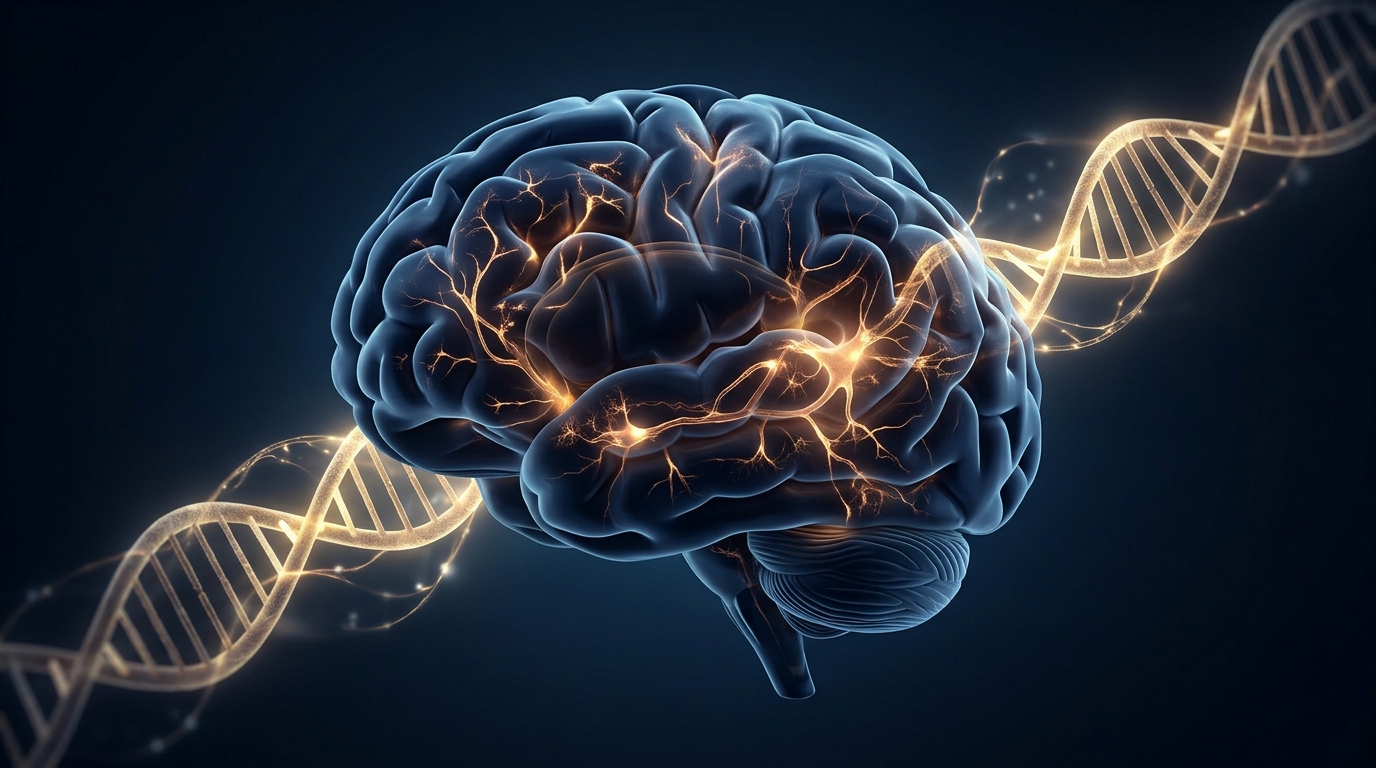
Are Chronic Migraines Genetic? Quick Clinical Answer
Yes, chronic migraines have a proven genetic basis. Twin analyses and clinical pedigree studies demonstrate that migraine heritability ranges between 40% and 60%. If one biological parent suffers from migraines, a child has a roughly 50% chance of developing them. When both parents are affected, that risk increases to nearly 75%.
Rather than a single "migraine gene," most chronic migraines are polygenic—stemming from multiple inherited DNA variations that make sensory networks, ion channels, and cranial blood vessels hyperexcitable. When inherited sensitivity meets triggers like chronic stress, hormonal shifts, or sleep disruptions, episodic attacks can transform into chronic migraines. In Central New Jersey, Dr. Ritesh Amin, MD offers comprehensive neurological evaluations and non-drug neuromodulation to calm these hyperactive circuits.
Understanding Chronic Migraine vs. Episodic Migraine
To evaluate how genetics influence headache disorders, clinicians distinguish between episodic and chronic migraine:
- Episodic Migraine: Up to 14 headache days per month. Attacks are intense and debilitating, but patients return to their normal baseline between episodes.
- Chronic Migraine: Defined clinically as 15 or more headache days per month for at least 3 months, with at least 8 days meeting full migraine criteria (throbbing pain, unilateral location, nausea, or sensitivity to light and sound).
Chronic migraine is not simply frequent headaches; it reflects central sensitization. Repeated pain signaling alters brainstem nuclei and trigeminovascular pathways, lowering pain thresholds so routine stimuli cause severe discomfort. Genetics establish this biological susceptibility.
The Genetics Behind Migraines: Monogenic vs. Polygenic Inheritance
Understanding are chronic migraines genetic requires looking at the two primary inheritance patterns: polygenic common migraines and rare monogenic syndromes.
1. Polygenic Inheritance in Common Migraines
For over 98% of patients, chronic migraine is polygenic. Genome-Wide Association Studies (GWAS) have identified over 120 genetic loci tied to migraine risk. Rather than one defective gene, dozens of inherited variants slightly lower the brain's excitation threshold.
These genetic markers primarily regulate three critical systems:
- Ion Channels: Modulating sodium, potassium, and calcium flow across neuronal membranes.
- Vascular Tone: Controlling cranial blood vessel reactivity and autonomic regulation.
- Glutamatergic Signaling: Regulating clearance of glutamate, the brain's primary excitatory neurotransmitter.
2. Monogenic Migraine Syndromes: Familial Hemiplegic Migraine
Rare cases follow single-gene Mendelian inheritance, most notably Familial Hemiplegic Migraine (FHM), documented in neurological research and on Wikipedia's medical overview of migraine disorders.
FHM causes severe migraines accompanied by temporary unilateral motor weakness or paralysis, linked to three specific genes:
- CACNA1A (FHM1): Encodes voltage-gated calcium channels (Cav2.1). Mutations trigger excessive calcium influx and glutamate release.
- ATP1A2 (FHM2): Encodes an astrocyte sodium/potassium pump subunit, impairing clearance of synaptic potassium and glutamate.
- SCN1A (FHM3): Alters voltage-gated sodium channels (Nav1.1), speeding neuronal depolarization.
These discoveries confirmed that migraines are fundamentally channelopathies—disorders of cellular electrical signaling.
How Inherited Genes Alter Brain Chemistry & Electrical Signaling
Inherited DNA variations translate into clinical migraine attacks through four key neurological cascades:
1. Cortical Hyperexcitability
Individuals with a genetic predisposition possess a sensory cortex that fails to habituate to repetitive sensory inputs like bright lights or loud sounds. Instead of filtering stimuli, the brain amplifies them, exhausting cellular energy and triggering pain cascades.
2. Cortical Spreading Depression (CSD)
In migraines with aura, genetic channel abnormalities lower the threshold for Cortical Spreading Depression. CSD is a slow wave of intense cellular depolarization traveling across the cortex at 2 to 5 mm per minute, causing visual distortions and tingling while activating trigeminal pain fibers.
3. The CGRP Inflammatory Cascade
Genetics influence the release and receptor sensitivity of Calcitonin Gene-Related Peptide (CGRP). Released by trigeminal nerves during attacks, CGRP causes neurogenic vasodilation and inflammation around the meninges. Modern CGRP inhibitors directly target this genetically primed pathway.
4. Central Sensitization
Persistent firing of hyperexcitable circuits sensitizes second-order neurons in the brainstem. In chronic migraineurs, even light touch on the scalp (cutaneous allodynia) is perceived as painful.
Epigenetics: Key Risk Factors That Interact With Migraine Genes
Genetics supply the underlying vulnerability, but epigenetic factors, lifestyle habits, and comorbidities determine whether that vulnerability manifests as daily illness:
Biological Sex & Hormones
Women are three times more likely than men to suffer from chronic migraines due to estrogen fluctuations that destabilize neurovascular tone.
Medication Overuse Headaches
Using acute pain relievers (triptans, NSAIDs, opioids) more than 10 to 15 days monthly causes rebound headaches, driving episodic migraines into chronic patterns.
Psychiatric Comorbidities
Severe anxiety and treatment-resistant depression activate stress axes and deplete serotonin, worsening central pain sensitization.
Sleep Architecture Disruption
Insomnia and sleep apnea impair brain waste clearance and alter circadian genes, significantly lowering daily headache thresholds.
Additional triggers include weather changes, excessive caffeine, and neck strain. Learn how calming the nervous system relieves symptoms in our guides on TMS therapy for anxiety and TMS for severe anxiety relief.
Comparing Genetic vs. Modifiable Migraine Risk Factors
Effective management requires distinguishing inherited biological traits from modifiable lifestyle factors:
Clinical Diagnosis: How Neurologists Evaluate Genetic Migraines
Because chronic migraines share symptoms with other neurological disorders, an accurate clinical diagnosis is crucial. At our clinic in Edison and Kendall Park, NJ, Dr. Ritesh Amin performs structured neurological assessments:
- Family Pedigree Analysis: Tracing headache patterns across first-degree relatives to establish genetic risk.
- Exclusion of Secondary Headaches: Utilizing MRI or CT neuroimaging to rule out structural anomalies, aneurysms, or vascular events. For patients with cerebrovascular concerns, see our guide on stroke recovery facts.
- Headache Diary Review: Tracking monthly headache days, pain intensity, triggers, and acute medication use.
- Psychiatric Screening: Evaluating comorbid depression and anxiety that frequently share neural pathways with chronic pain.
For specialized neurological care in Central Jersey, visit our Kendall Park neurology office and explore our Neurology TMS Therapy services.
Modern Treatment Options for Genetically Driven Chronic Migraines
While genetics cannot be rewritten, modern neurology offers effective preventative and acute strategies to raise pain thresholds and quiet overactive networks.
1. Pharmacological Therapies
Standard treatments include:
- Acute Abortive Medications: Triptans and oral gepants taken at attack onset. These must be limited to under 10 days per month to avoid medication-overuse chronification.
- Preventative Medications: Beta-blockers, topiramate, CGRP monoclonal antibodies, and onabotulinumtoxinA (Botox®) injections.
However, many patients experience limited efficacy or intolerable side effects such as fatigue, cognitive fog, and weight changes.
2. Non-Invasive Neuromodulation: TMS Therapy for Chronic Migraines
For patients seeking an FDA-cleared, drug-free alternative, Transcranial Magnetic Stimulation (TMS) is a proven solution.
TMS delivers focused magnetic pulses to modulate cortical excitability directly:
- Halting Cortical Spreading Depression: Single-pulse TMS applied during aura disrupts the electrical wave before pain develops.
- Preventative Cortical Regulation: Repetitive TMS (rTMS) protocols applied to the prefrontal or motor cortex restore healthy pain inhibition and reduce monthly migraine days.
- Zero Systemic Drug Side Effects: TMS is localized, causing no gastrointestinal distress, weight gain, or sedation. Read our overview on is TMS therapy safe for the brain.
- Treating Co-Occurring Depression: For patients battling chronic pain alongside mood disorders, TMS treats both conditions simultaneously. Learn more in who is a good candidate for TMS therapy.
Learn more about our dedicated protocols for TMS for chronic migraines in Edison, NJ.
When to Consult a Neurologist for Chronic Migraines
Consider scheduling a specialist evaluation if you experience:
- More than 4 headache days per month with increasing frequency.
- Sudden, explosive "thunderclap" head pain.
- Headaches accompanied by weakness, numbness, or vision loss.
- Poor response to standard acute prescription medications.
- Co-occurring severe anxiety, insomnia, or treatment-resistant depression.
Dr. Amin provides compassionate, evidence-based care to patients across Edison, Kendall Park, New Brunswick, Woodbridge, and surrounding Central Jersey communities.
Conclusion: Overcoming Your Genetic Migraine Predisposition
So, are chronic migraines genetic? The science confirms that inherited genes shape brain excitability, but genetics alone do not dictate your daily life.
By identifying modifiable triggers, preventing medication overuse, and utilizing advanced neuromodulation like TMS therapy, patients can significantly reduce migraine frequency and regain control.
If chronic migraines disrupt your life in Central New Jersey, reach out to Dr. Ritesh Amin, MD today to schedule your comprehensive evaluation.
FAQ: Are Chronic Migraines Genetic?
Chronic migraines involve both. Genetics establish baseline vulnerability (40% to 60% heritability) by creating hyperexcitable brain pathways. Environmental triggers—including stress, sleep loss, and medication overuse—interact with these genes to trigger active attacks.
If one parent has migraines, a child has about a 50% chance of developing them. If both parents suffer from migraines, the likelihood increases to approximately 70% to 75%.
For most people, no. Common migraines are polygenic, influenced by over 120 genetic variations. Only rare disorders like Familial Hemiplegic Migraine are caused by single-gene mutations (such as CACNA1A, ATP1A2, or SCN1A).
Migraines affect adult women three times more frequently than men, primarily due to estrogen fluctuations that alter neurovascular reactivity and serotonin levels in genetically sensitive neural networks.
Yes. While you cannot alter your DNA, treatments like CGRP inhibitors, lifestyle management, and FDA-cleared Transcranial Magnetic Stimulation (TMS) raise the migraine threshold and substantially reduce monthly attack frequency.
TMS uses targeted magnetic pulses to interrupt cortical spreading depression and restore balanced cortical excitability, reducing central pain sensitization without systemic drug side effects.
Medication Overuse Headache occurs when acute pain relievers (triptans, NSAIDs, opioids) are taken more than 10 to 15 days per month, causing rebound headaches that transform episodic migraines into chronic daily pain.
Consult a specialist like Dr. Ritesh Amin if you experience headaches more than 4 days per month, if medications fail to help, or if headaches occur alongside vision changes, motor weakness, anxiety, or depression.
Have questions about genetic migraines and treatment options in Edison or Kendall Park, NJ? Schedule a consultation with Dr. Ritesh Amin →